Recap: Shifting the Narrative: A Housing Justice Community of Practice

Building a Shared Story
On August 19, a room full of people working across housing, homelessness, health, government, social services, and the nonprofit sector came together with a deceptively simple question:
How do we change the way our community talks about housing?
HealthSpark Foundation, in partnership with Montgomery County’s Office of Housing & Community Development and Bucks-Mont Collaborative, hosted Shifting the Narrative: A Housing Justice Community of Practice at the Community Partners Center in Colmar. The half-day gathering brought together over 60 people for a morning of learning, reflection, and practice – and importantly, an opportunity to build a shared approach to talking about housing justice.
The hosting partnership was central to the spirit of the gathering. Housing justice is not something any one organization, sector, or institution can advance alone. Bringing together philanthropy, government, and a collaborative representing the broader nonprofit and community ecosystem created an opportunity to connect different perspectives, relationships, and experiences around a shared challenge.
Why Narrative Change and Why Now
The convening grew out of conversations with HealthSpark’s Housing Justice Ecosystem Collaborative, a cohort of grantees supported through our Building Community Solutions – Housing Justice grant program. As grantees expressed a desire to explore narrative change together, we saw an opportunity to expand that conversation beyond the cohort and create a broader Community of Practice.
At HealthSpark, we believe housing is foundational to health, stability, and opportunity. Yet across Montgomery County, too many residents experience housing insecurity or homelessness in addition to a lack of affordable housing.
We know that lasting change requires more than direct services or additional resources. It also requires changing the way communities understand housing and homelessness and why a safe and stable place to call home is necessary.
That’s where the Housing Narrative Lab came in.
Sarah Armour, Deputy Director of Housing Narrative Lab, brought deep expertise in narrative change strategy for this convening. Housing Narrative Lab is a national, evidence-based narrative and communications hub that builds public support for safe and affordable housing options to make all communities healthy, stable and welcoming.
Rather than simply giving participants a new set of talking points, Sarah challenged the group to examine the narratives already operating in our community – and to think about what it would take to build a different one.
Examining the Story We’re Telling
Emma Hertz, President and CEO of HealthSpark Foundation, opened the morning by grounding participants in why we were gathering and connecting the conversation to HealthSpark’s broader commitment to housing justice.
Sarah then invited the group to take an honest look at the prevailing narrative around housing and homelessness in Montgomery and Bucks Counties (due to Bucks-Mont Collaborative’s dual county presence, attendees from both counties were in attendance).
The exercise was not simply about finding better words. It was about recognizing that the way we frame an issue shapes what people believe is possible and what they are willing to support.
Sarah encouraged participants to think beyond the people who already agree with them. Traditional advocacy can sometimes focus on speaking to those who share our level of concern. Narrative change asks something different. How do we reach people who may not see housing as a shared community responsibility?
Answering that question became the goal for the rest of the morning.
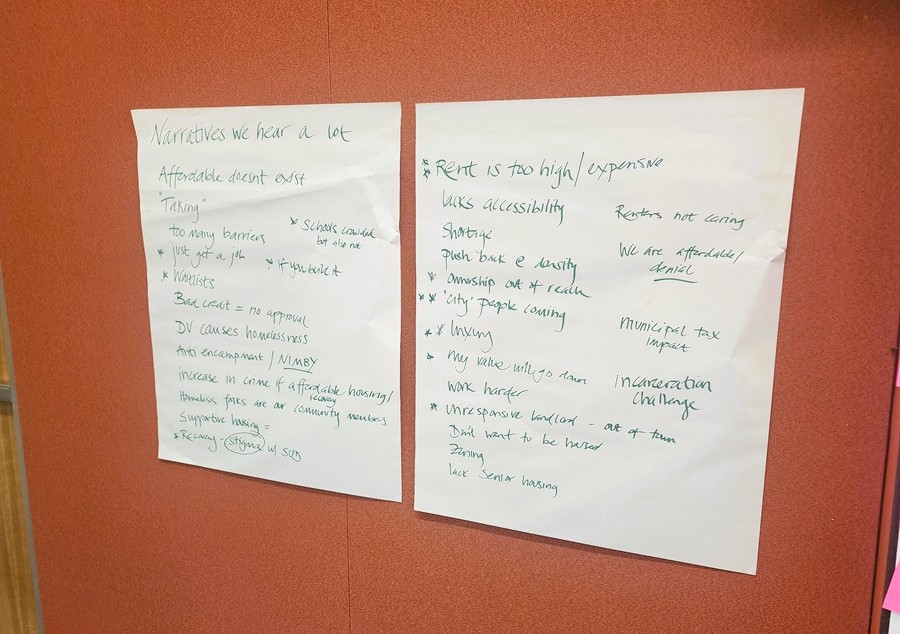
Building a Shared Narrative
Together, participants began developing language that could be carried beyond the room and used consistently across organizations, sectors, and everyday conversations.
One of the most powerful shifts was also one of the simplest: home instead of housing.
While “housing” can feel technical or transactional, “home” evokes safety, stability, belonging, and comfort. That deliberate language shift helps connect an issue that can feel abstract to something deeply human.
Sarah also introduced a framework for thinking about audience:
- Insiders: Those of us already deeply engaged in the work.
- The Base: People who generally agree but may need reinforcement or activation.
- The Persuadables: People who are undecided or open to a different way of seeing the issue.
- The Opposition: People who are unlikely to change their minds.
The guidance was clear: we cannot spend all of our energy to convince the opposition. The greater opportunity lies in strengthening the base and reaching the persuadables.
That means changing not only what we say, but how we enter conversations.
Instead of leading with “I disagree,” the training encouraged participants to practice “I hear you.” It’s a small shift, but one that can create room for dialogue.
From Narrative to Action
After a reflection from Kayleigh Silver, Administrator of Montgomery County’s Office of Housing & Community Development, participants moved from theory to practice.
Sarah challenged the group to take the “big narrative” and make it usable in real life. The goal was to make narrative change feel less like an advocacy exercise and more like something that can happen anywhere: at a picnic, at a back-to-school night, in a meeting, or in a conversation at a place of worship.
That practical application was an important part of Sarah’s approach. Narrative change does not happen only in press releases or public campaigns. It happens through the thousands of small conversations that shape how communities understand an issue.
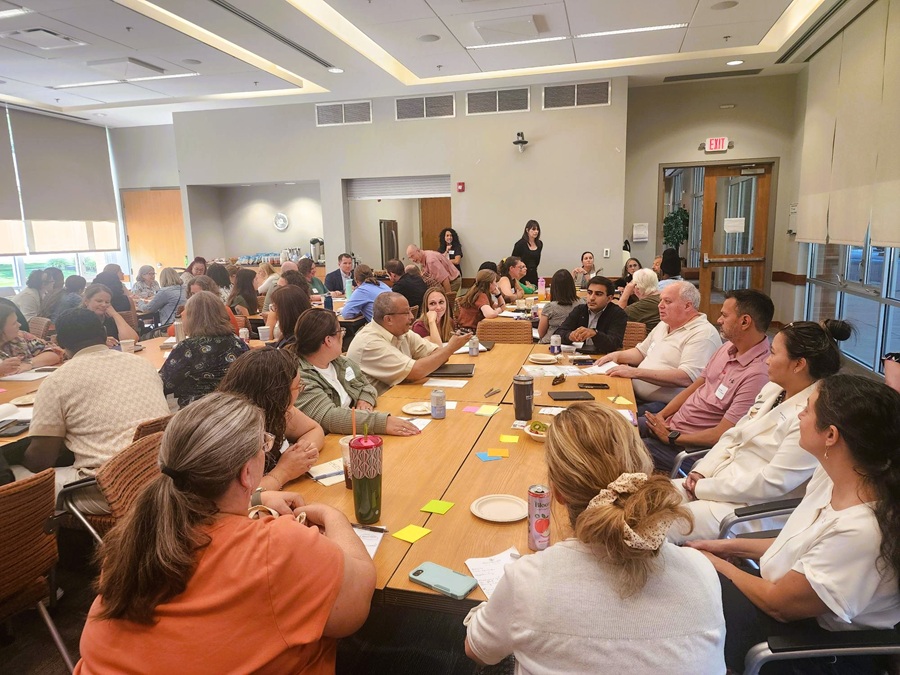
What We’re Taking With Us
By the end of the morning, the group had begun to move toward a shared idea. But perhaps more importantly, participants left with a shared understanding that changing the narrative requires us to think differently about our audiences, our language, and our approach to dialogue.
The work is simply not about finding the perfect message. It is about building a story that can connect with people where they are, create greater understanding, and ultimately build broader support for housing justice.
To close the morning, Kristyn DiDominick, Executive Director of Bucks-Mont Collaborative, invited participants to pause, reflect, and share what they were taking away from the conversation. Through a live pulse check survey, participants reflected on the training in their own words. One participant reflecting “energized to simplify my language, ditch the jargon, and tell compelling stories.” Participants also identified who they planned to bring the narrative to over the next 30 days including board members and elected officials, and shared what they would like to see next.
Continuing the Conversation
There is strong interest in a Part 2 of the Community of Practice, and HealthSpark Foundation is excited to build on the momentum in the room.
We are grateful to our partners at Montgomery County’s Office of Housing & Community Development and Bucks-Mont Collaborative for helping make this cross-sector conversation possible – and especially to Sarah Armour and Housing Narrative Lab for bringing their expertise, challenge, and practical tools to the room.
Because changing a narrative takes more than one morning: it takes practice, repetition, relationships and a willingness to tell a different story, together.
The work continues – more updates to come.
Photo Gallery - Shifting the Narrative: A Housing Justice Community of Practice
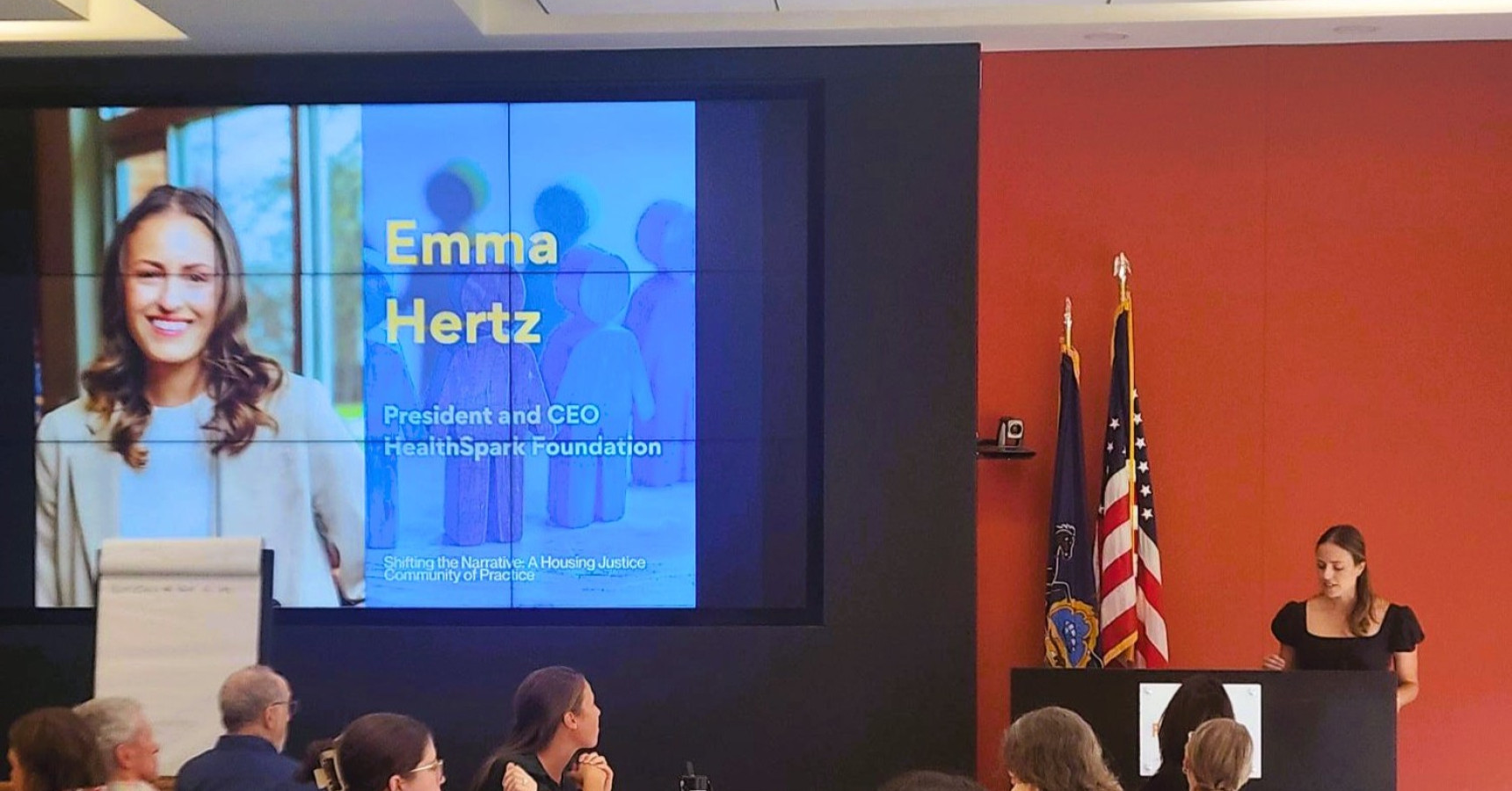
Emma Hertz, President and CEO, HealthSpark Foundation
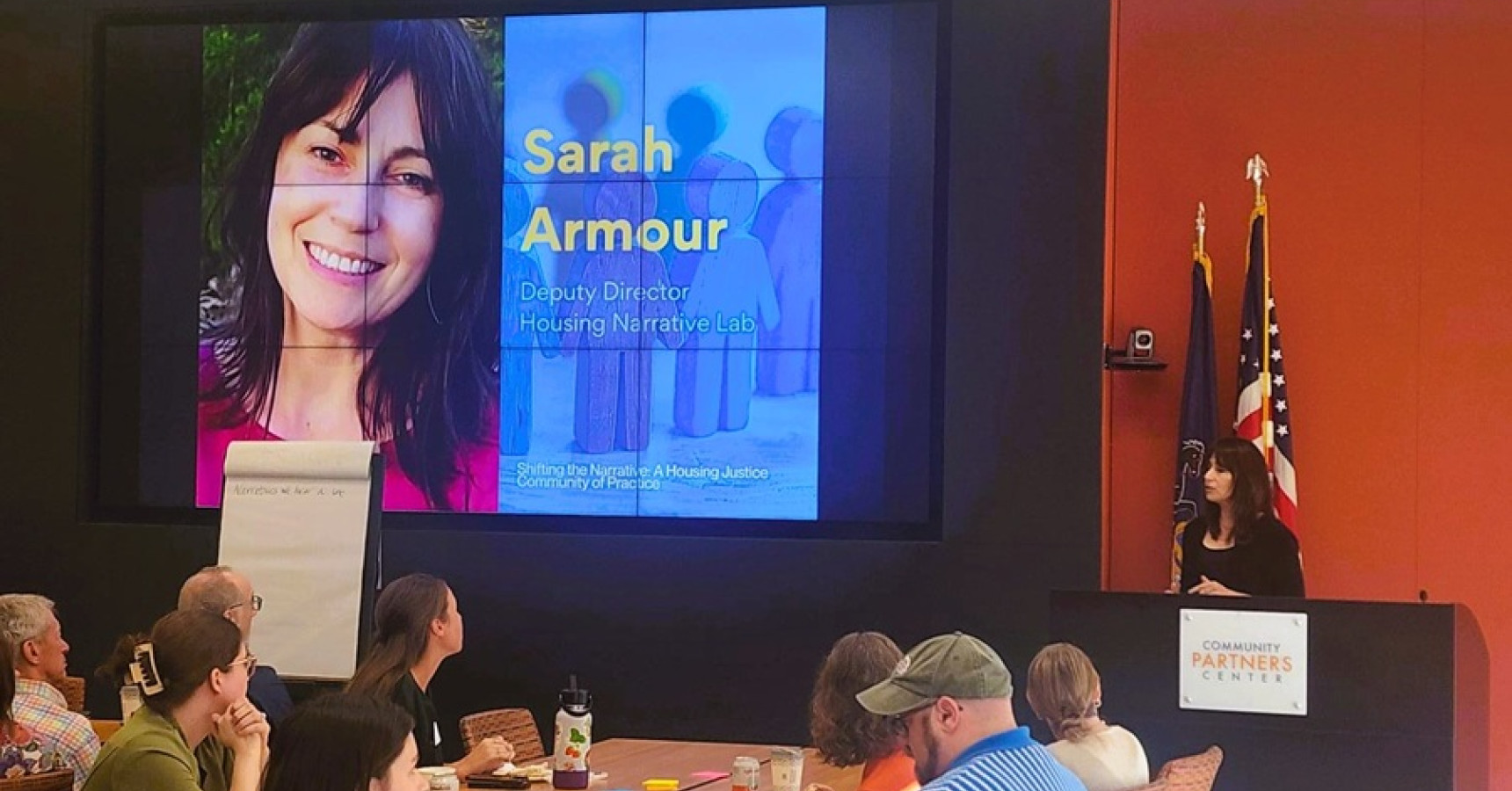
Sarah Armour, Deputy Director, Housing Narrative Lab
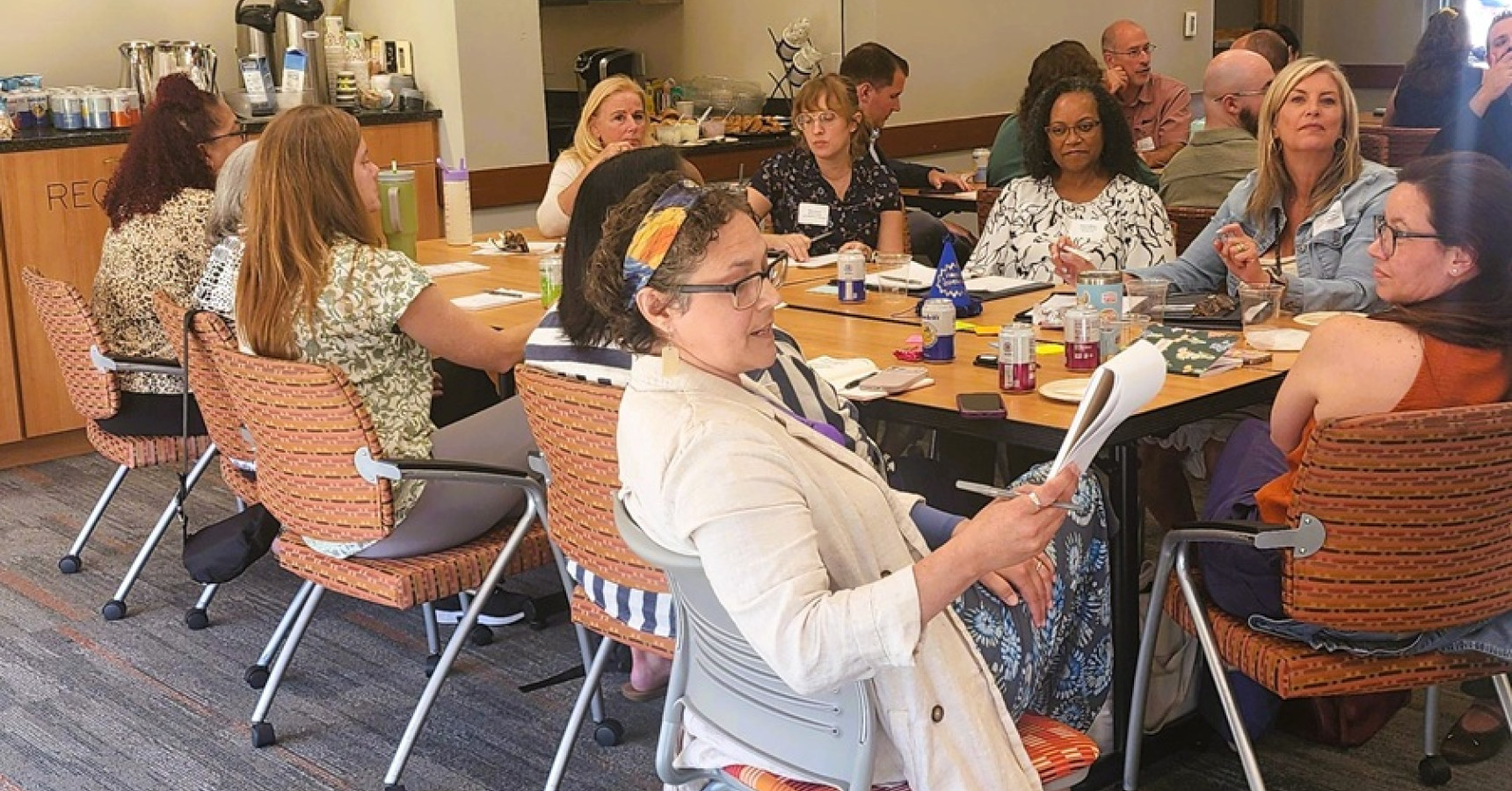
Wendy Gaynor, Executive Director, Resilient Students Network, shares the results of her table's group exercise.
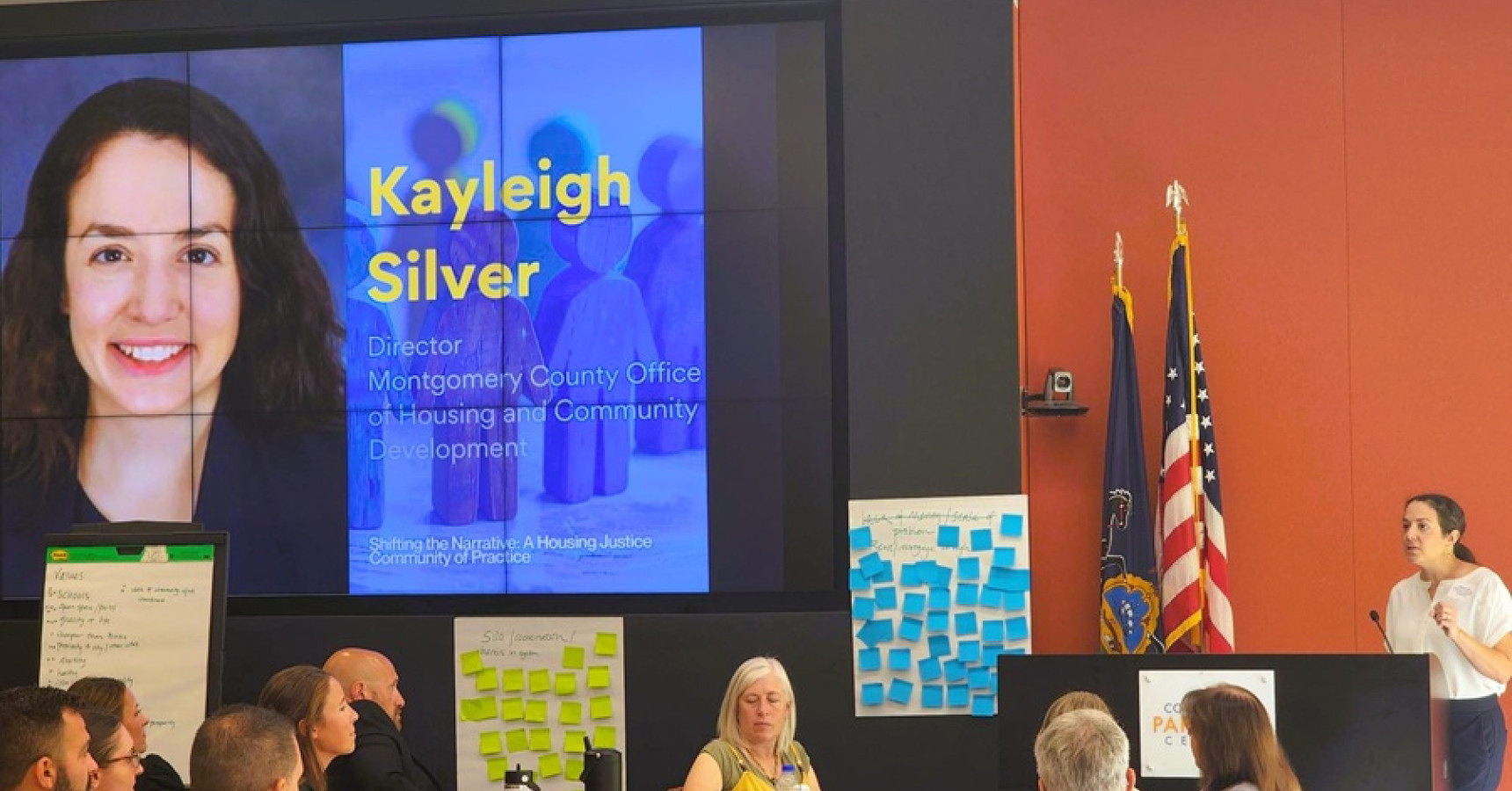
from Kayleigh Silver, Administrator, Montgomery County’s Office of Housing & Community Development
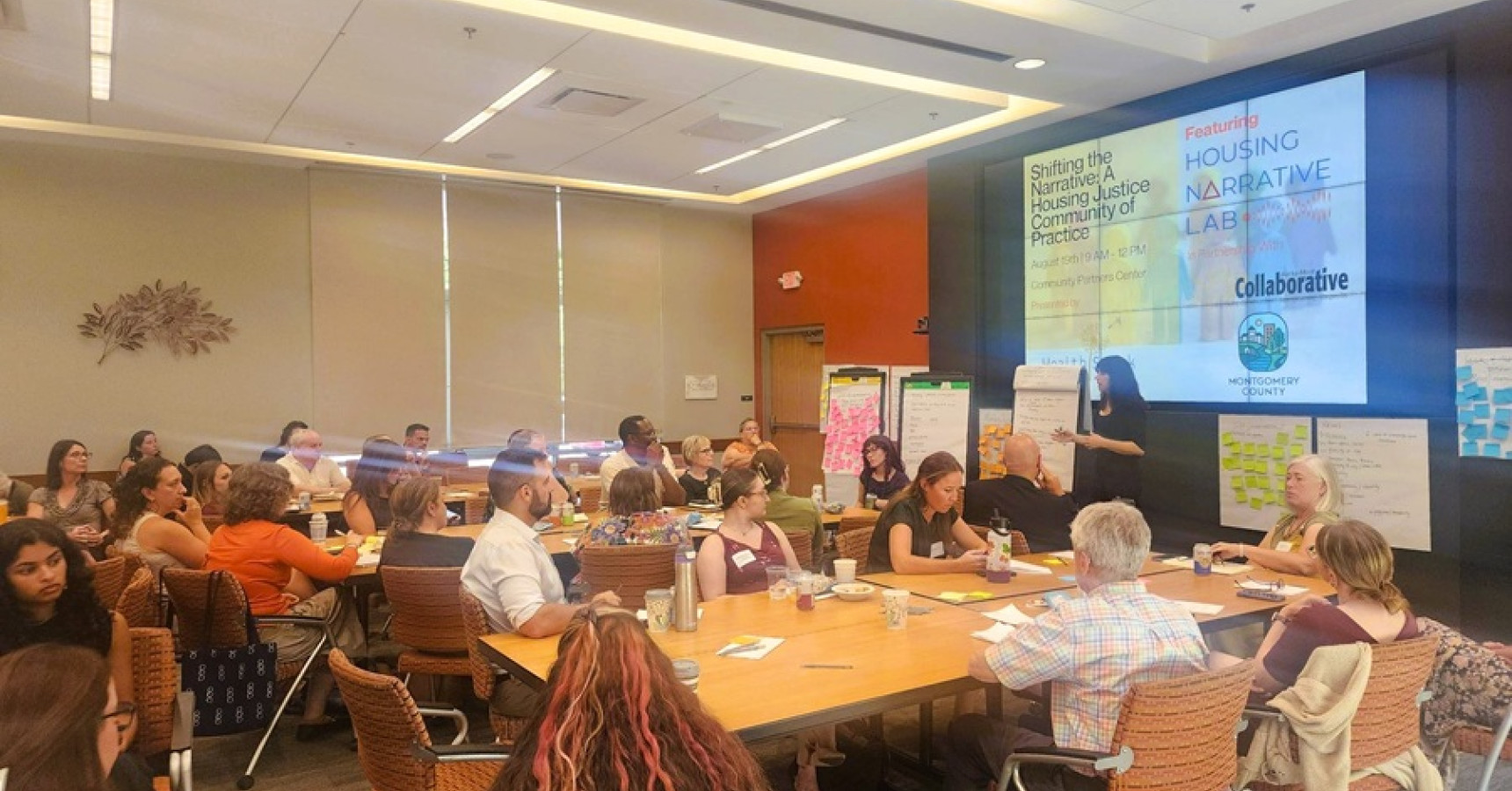
Sarah leads a narrative activity for the room.
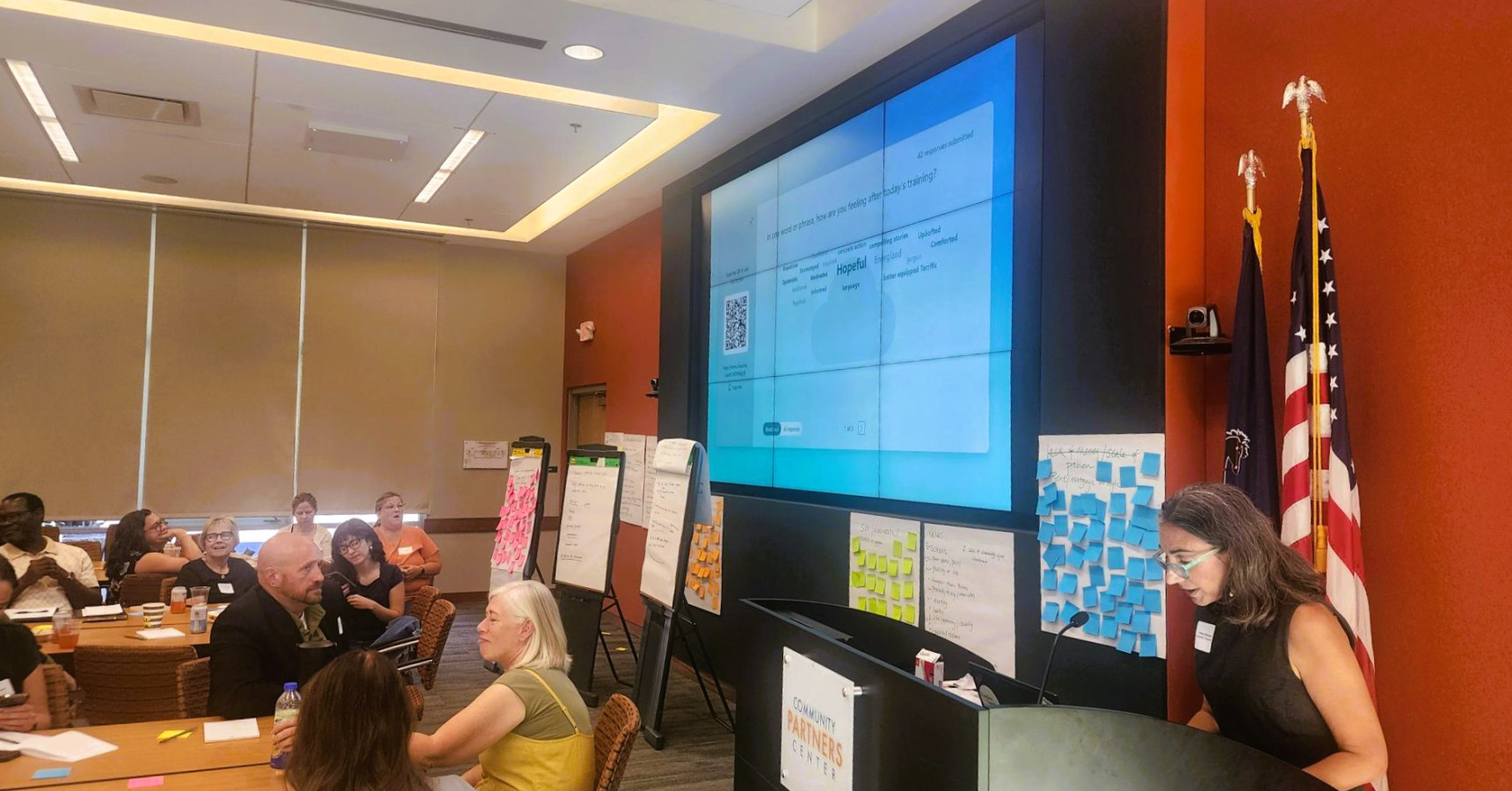
Kristyn DiDominick, Executive Director of Bucks-Mont Collaborative
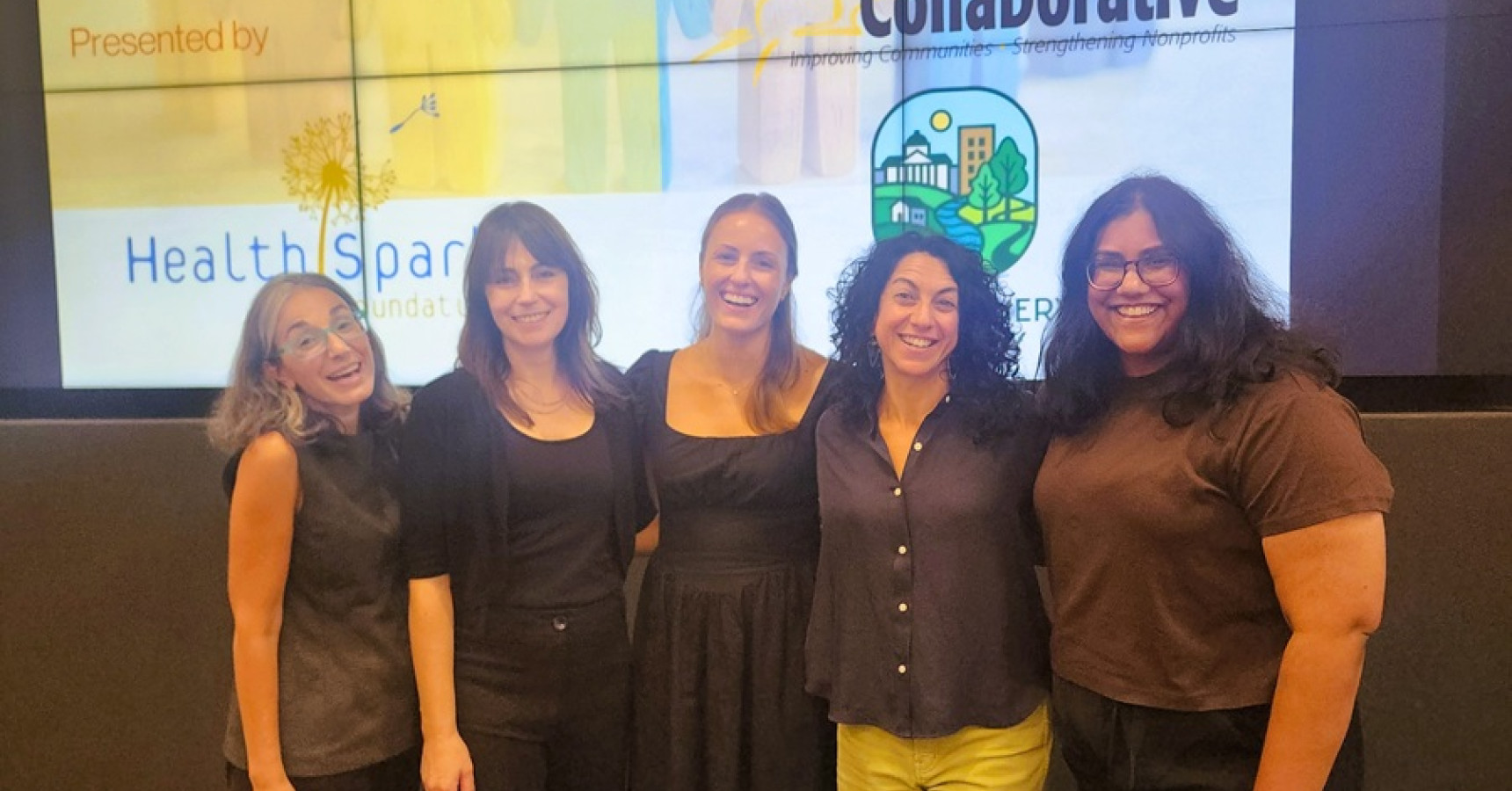
Pictured left to right: Kristyn, Sarah, Emma, Jen Malkoun (Director of Operations, HealthSpark Foundation), Akshara Vivekananthan (Director of Programs, HealthSpark Foundation)