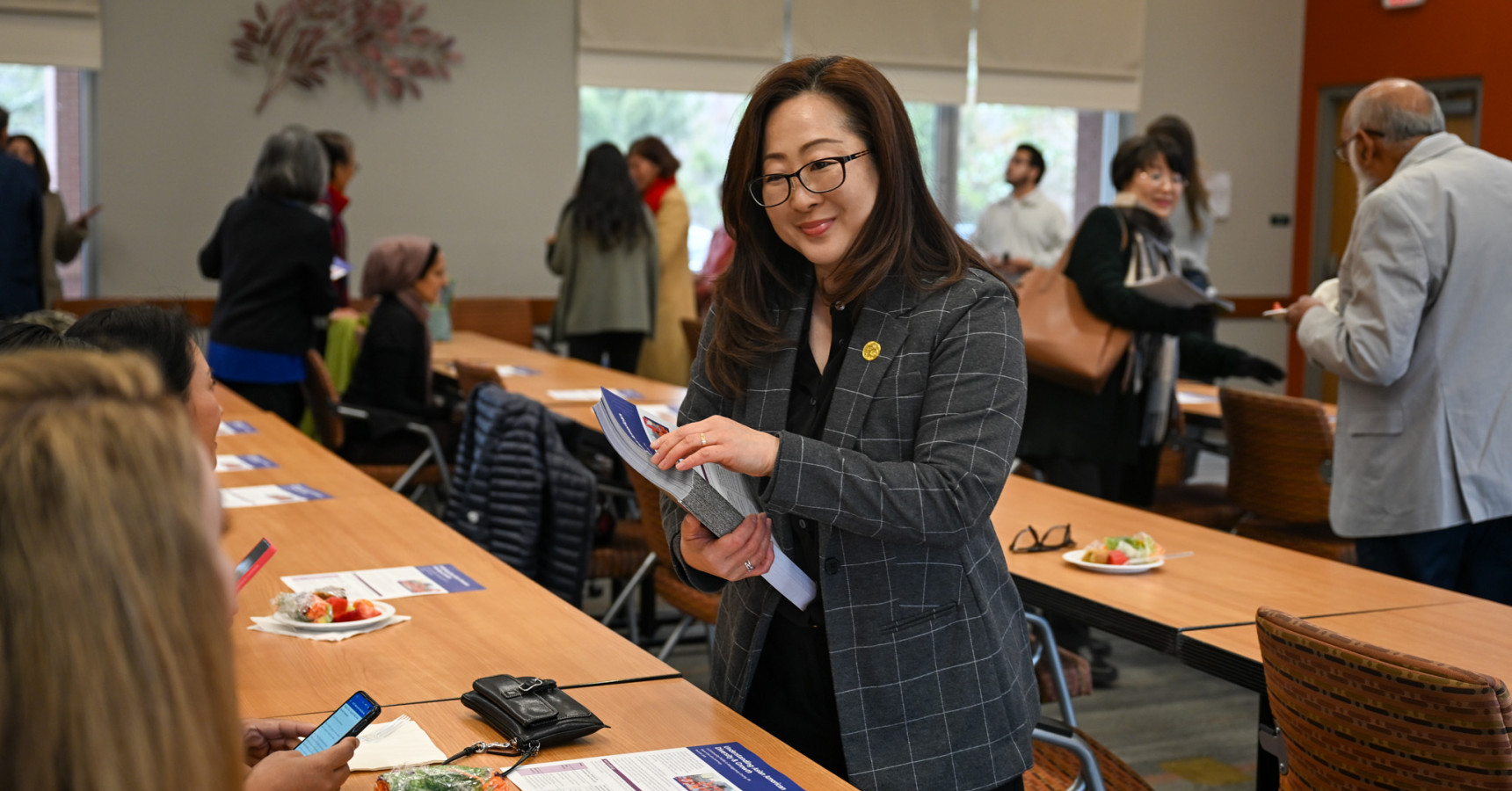
Recap: Report Release - Understanding Asian American Diversity & Growth in Montgomery County

History in the Making
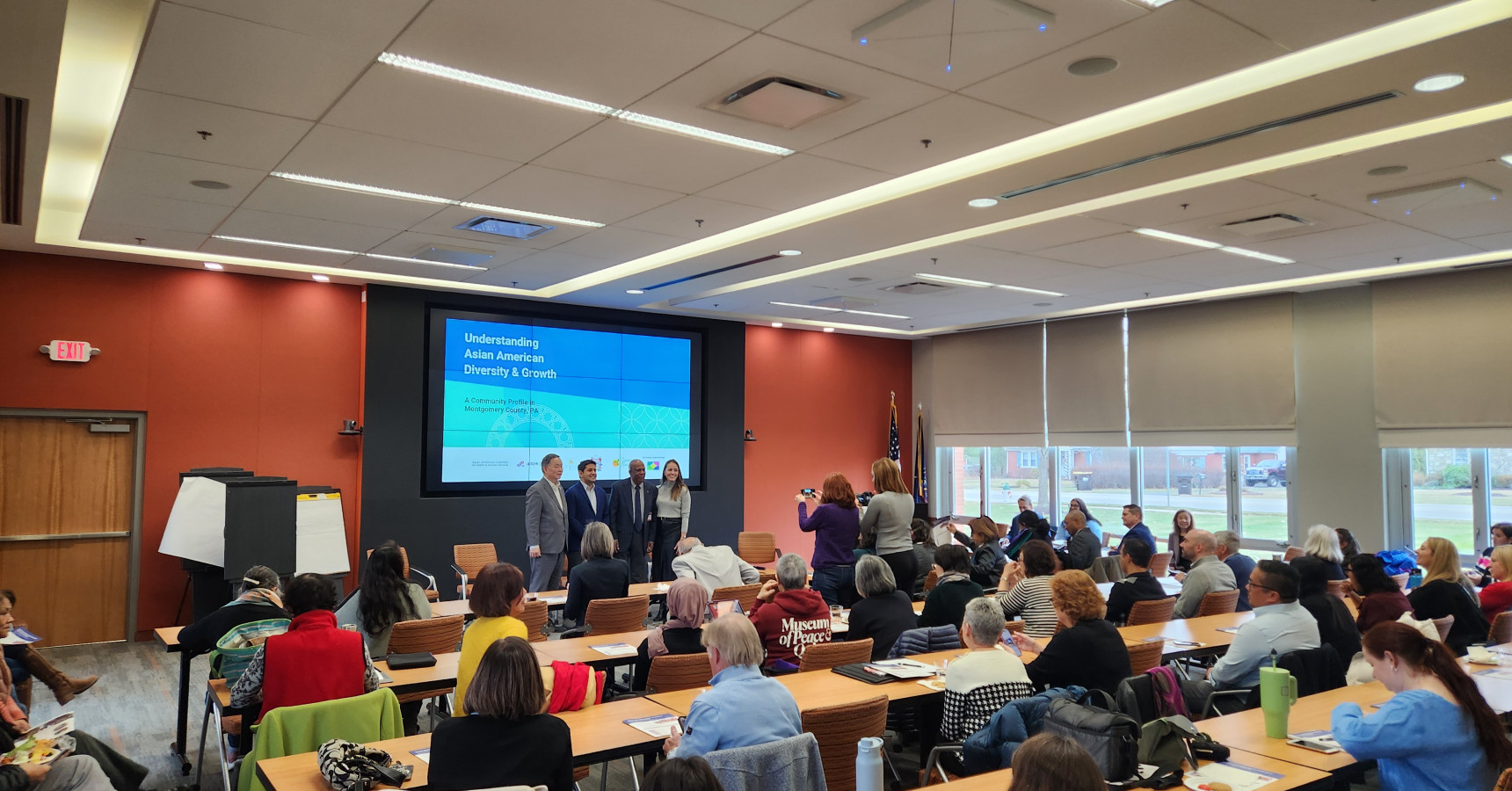
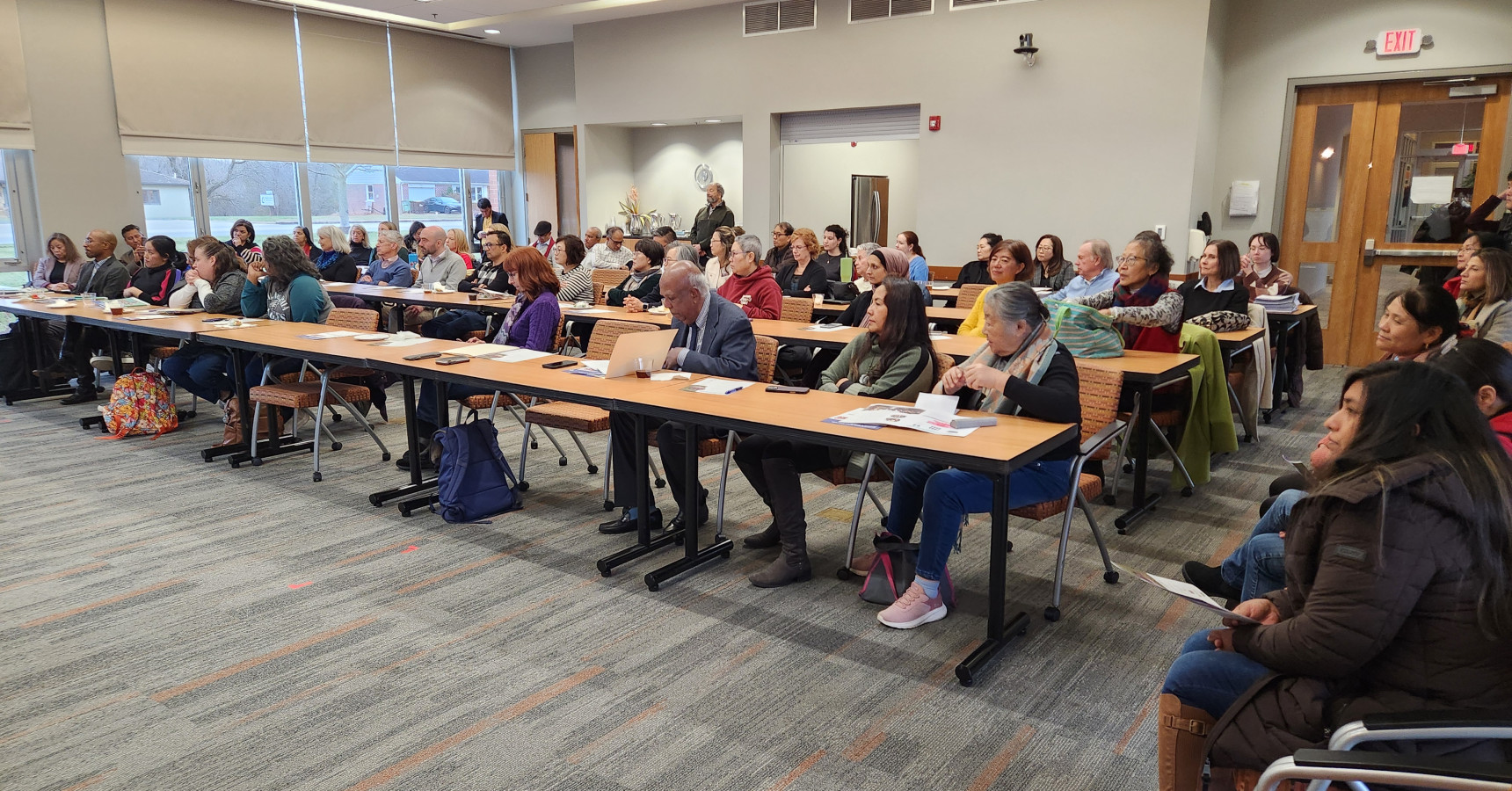
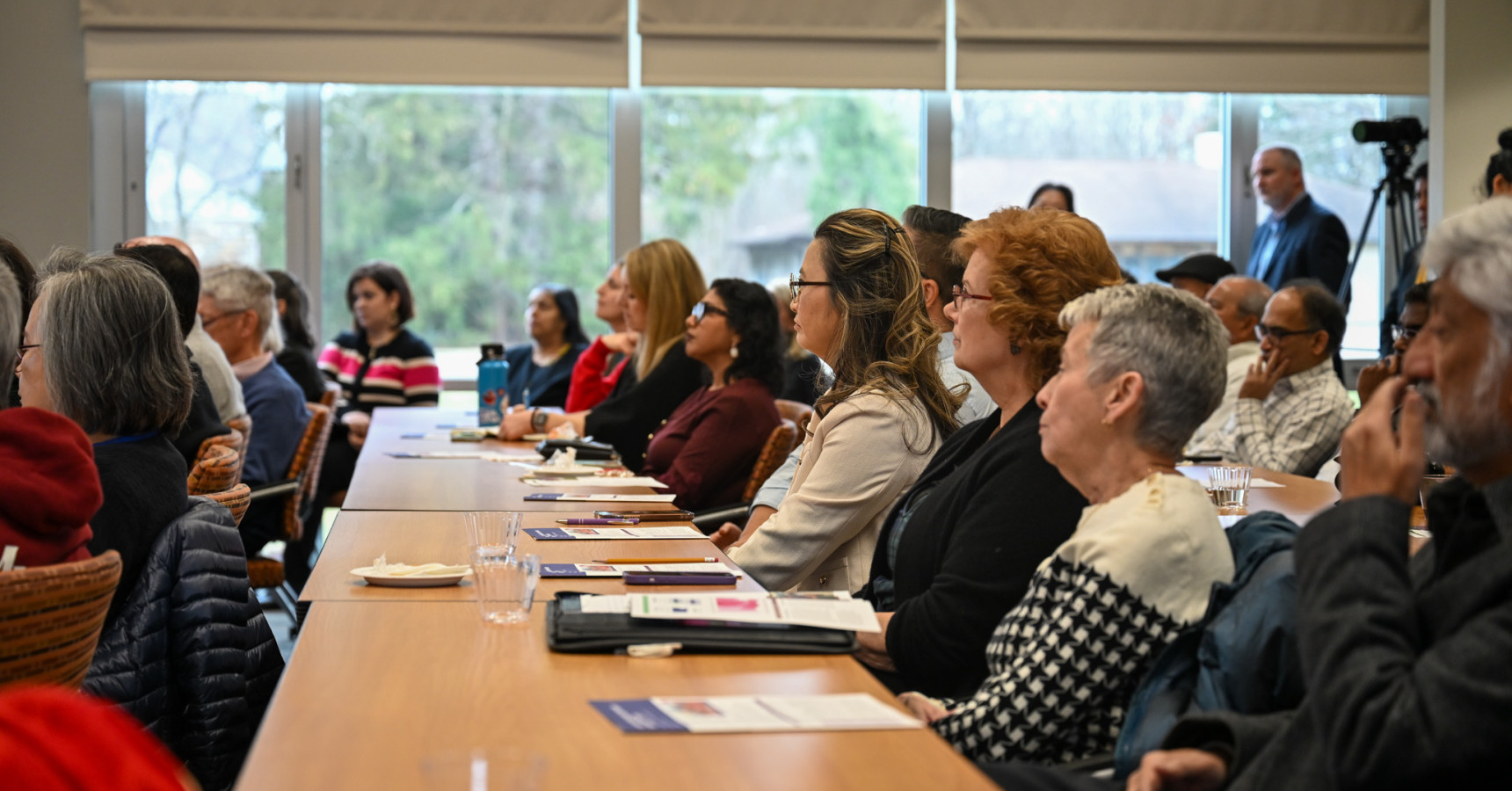
For the first time in the county’s history qualitative and quantitative data have been gathered, disaggregated, and evaluated to illuminate the myriad strengths and complex challenges of Asian Americans in Montgomery County. Community, non-profit, and faith-based leaders, funders, researchers, elected officials, press, and members of the public gathered at the Community Partners Center on December 10th to celebrate the release of Understanding Asian American Diversity & Growth: A Community Profile in Montgomery County, PA. In response to a lack of understanding about this key population, the three-year study set out to improve access, engagement, and success for everyone in the county. George Choe, Jaisohn Center/Philip Jaisohn Memorial Foundation President & CEO, and Co-Chair of the assessment project welcomed guests who filled the room to capacity.
Presented by the Asian American Coalition for Health and Human Services, in partnership with the Philip Jaisohn Memorial Foundation (Jaisohn Center), HealthSpark Foundation, and Montgomery County, the first-of-its kind study was conducted by Sojourner Consulting and Solutions International and provides a comprehensive look at the county’s fastest growing single racial group. Funding for the research was provided by Montgomery County’s American Rescue Plan Act (ARPA) allocation.
"This report is a testament to both the importance of inclusive, local data, and to the power of bringing people together to tell stories behind the data. Local data allows us to better know our own communities and neighbors, and what we can do together. HealthSpark is proud to have been a partner on the data collection, and more importantly, we’re proud to be partners in finding ways to implement the solutions identified here." - Emma Hertz, President and CEO, HealthSpark Foundation
Building an Inclusive County
Chair of Montogomery County Commissioners Neil Makhija greeted guests and called for increased civic engagement to more accurately reflect the diversity of the county’s population. “As a county," Makhija reinforced, "we are here to support every member of our community.”
Vice Chair Jamila Winder shared a personal story that commonly mirrors the immigrant experience - one of relocation and migration in search of more abundant and stable opportunities. As a child, Winder's family left Philadelphia in search of providing a better life for their children and moved to East Norriton where they were the only black family. These formative experiences shaped Winder and her commitment to building an inclusive county. "This study," she noted, "is a blueprint for making our government more inclusive for everyone. This is a call to action for leaders to acknowledge and understand the various nuances and opportunities of living in Montco as a first or second generation Asian American."
What the Data Revealed
“With 80 different languages in the North Penn School District, we can no longer afford to remain separate.” - Dr. Francis Jeyaraj, Co-Chair, Asian American Coalition
Between 2010 and 2020 the Asian American population in Montgomery County grew by 31.9% and now includes nearly 68,000 residents (or 7.9% of the county’s population) representing at least 24 distinct ethnic groups. Data indicates that this diverse, largely working-age population will play a critical role in the county’s future workforce and economic vitality. The study also signals a clear need for coordination among local government, service providers, and community-based organizations to ensure solutions are responsive to the multivariate challenges experienced by Asian Americans. Equipped with this data, county leaders now have a clearer foundation for developing much needed culturally responsive services and investments in community infrastructure, like workforce housing, to support a rapidly growing and diverse population.
Demographic Trends and Highlights
Fernando Chang-Muy, Thomas O’Boyle Lecturer in Law, University of Pennsylvania Law, and Sarah Yeung, Founder and Principal, Sojourner Consulting provided a high-level overview of the demographic trends that emerged through the report:
- Over three-quarters (77%) of Asians speak another language
- Asians make up about half of the county’s foreign-born population
- “Asian American” is a developing identity; people experience a stronger connection to their individual ethnicity, not the label of Asian American
- The poverty rate among Asian seniors is the highest of any racial group in the county
Personal Stories of Courage, Vulnerability, and Resilience
To ground the qualitative data in lived experiences, key community members and leaders were welcomed to share personal stories that underscored and amplified the report's findings.
Rajju Malla-Dhakal, a member of the Pennsylvania Nepalese Guthi Association, shed light into the impact language barriers have on employment opportunities for Asian Americans who are more likely to be English language learners. When highly skilled and talented immigrants apply for employment language is often a barrier, resulting in difficultly securing high-paying jobs. These barriers often have detrimental cascading effects on an individual or household's quality of life and health outcomes. Language, she noted, is also a barrier to obtaining a driver’s license which limits mobility and thus employment opportunities.
Jojo Dalwadi, Constituent Services Advisor for Rep. Malagari and ED of the PA Legislative Asian Pacific American Caucus who is also a recent college graduate candidly and bravely spoke about the stresses and mental health burdens he experienced growing up as a first-generation Asian American with non-English speaking parents. At a very young age, Dalwadi was responsible for assisting his parents navigate complex systems like school, healthcare, and employment. In a culture that stigmatizes mental health which is compounded by a strong emphasis on family and community, Asian youth face pressure to succeed, balance cultures, and navigate family conflicts.
As an immigrant from China, Deana Wang shared her family's story, which humanized the report's data on Asian American seniors. After her father's death, Wang's mother struggled with depression and isolation. The responsibility of caretaker fell to Wang, but as a busy working professional, elder care is often very difficult. However, placing seniors in long-term care facilities can be strongly stigmatized in Asian cultures. Wang learned how to balance her mother's transition into a senior facility while also continuing to ensure culturally appropriate care and socialization as a non-English speaker. Long term care options are also made more challenging because Asian immigrant seniors may not be eligible for Medicare and Medicaid.
Panel Discussion and Closing Remarks
The day was brought to a close with a panel discussion moderated by Akshara Vivekananthan, HealthSpark Foundation's Program Officer. Panelists Kristi Goodwin, Montgomery County Health and Human Services, Dr. Neil Broxterman, Assistant Director of Norristown Public School District, Syed Afzal, community leader and philanthropist, and Krystin DiDominick, Executive Director of Bucks-Mont Collaborative shared insights into the report findings as it related to their fields of expertise. Conversations reinforced the need for broad collaboration to ensure a more inclusive and equitable community for all residents.
The report's executive summary has been translated into eight languages and can be found on the Philip Jaisohn Memorial Foundation website.
George Choe captured the energy of the day and the intention behind the release of report with his closing remarks:
"Thank you for showing up because now you are partners in this work."
George Choe, Co-Chair, AAPI Community Needs Assessment Project, and President & CEO, Jaisohn Center/Philip Jaisohn Memorial Foundation
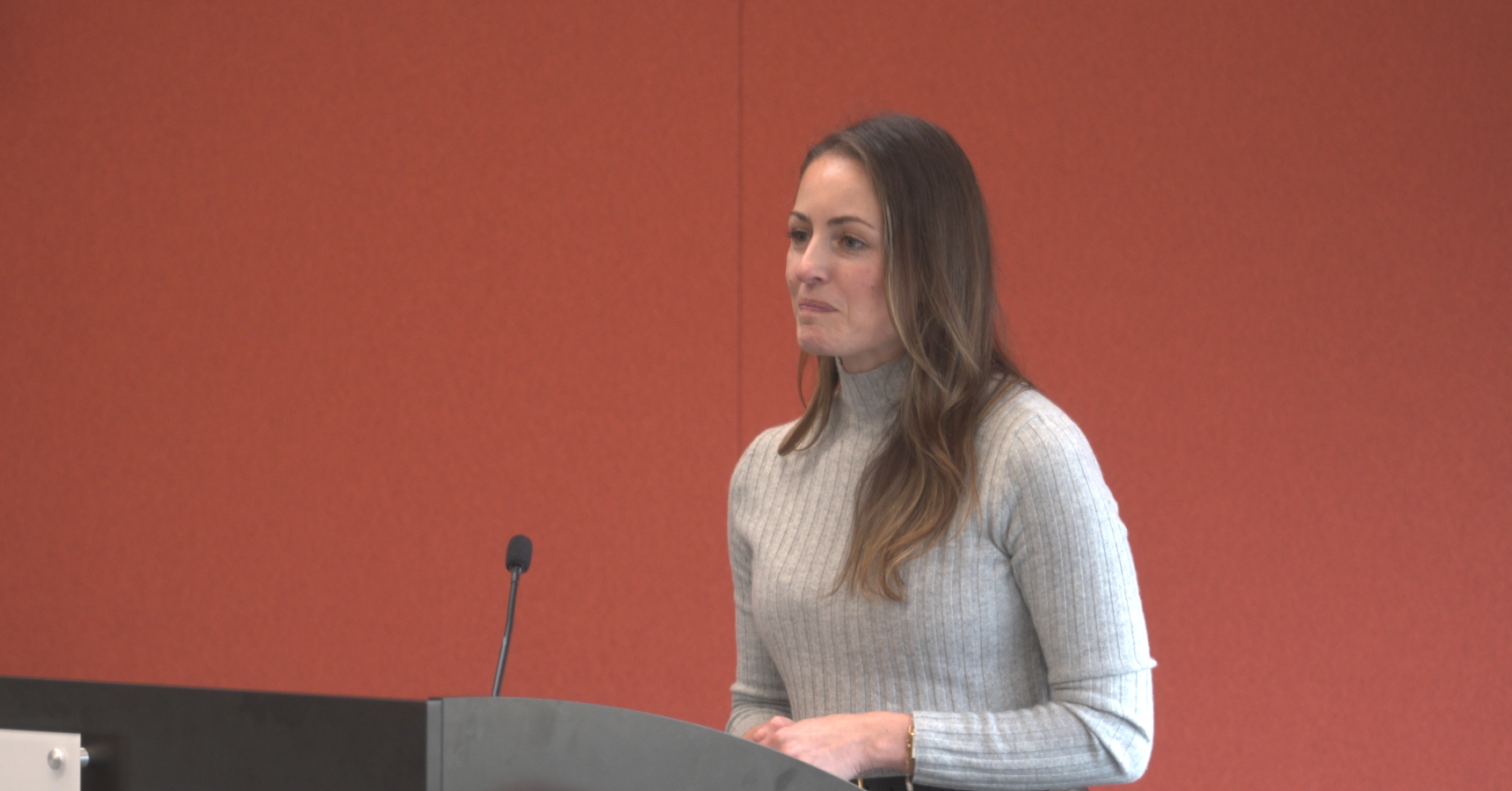
Emma Hertz, President & CEO, HealthSpark Foundation
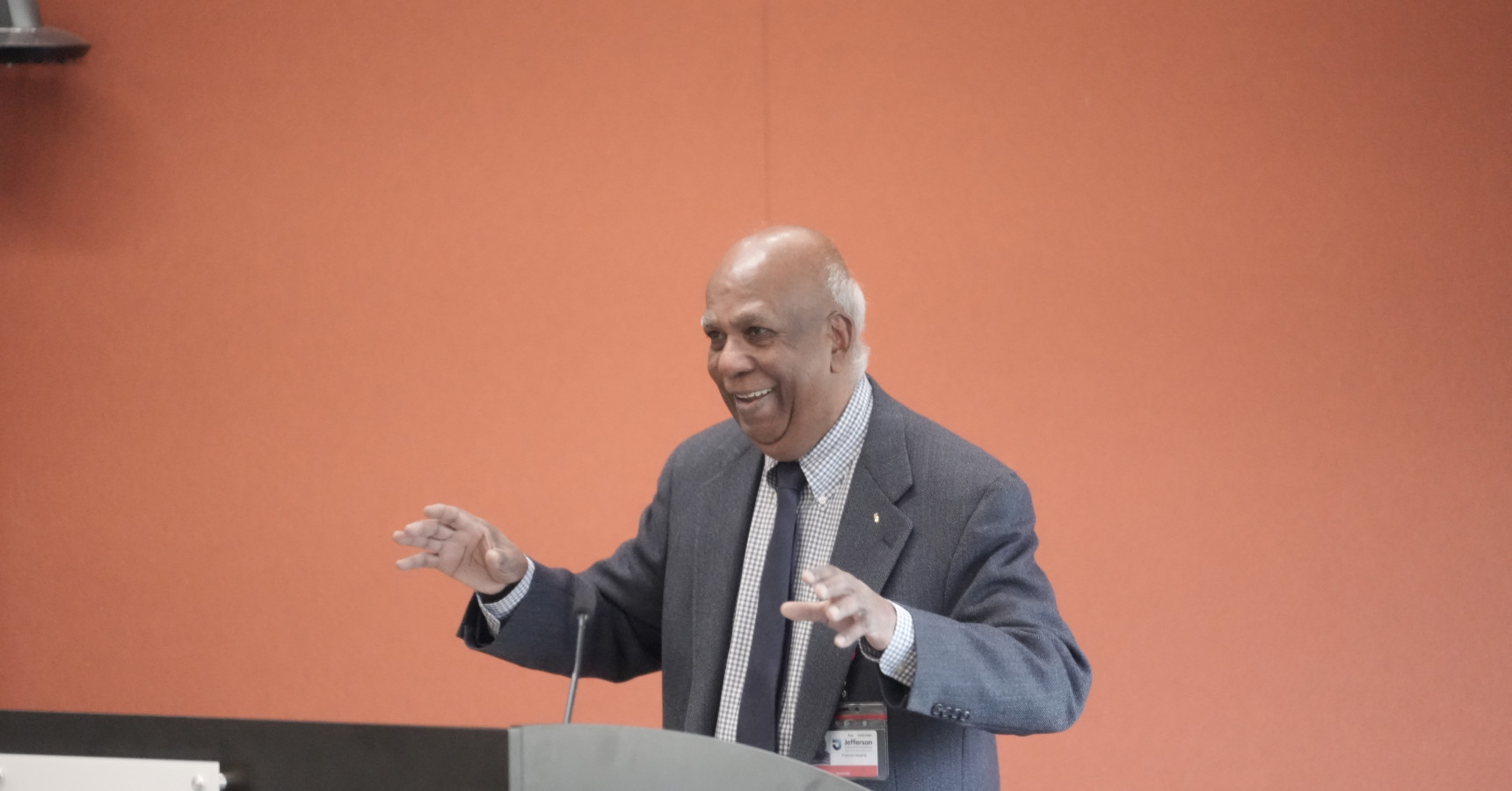
Dr. Francis Jeyaraj, Co-Chair, Asian American Coalition
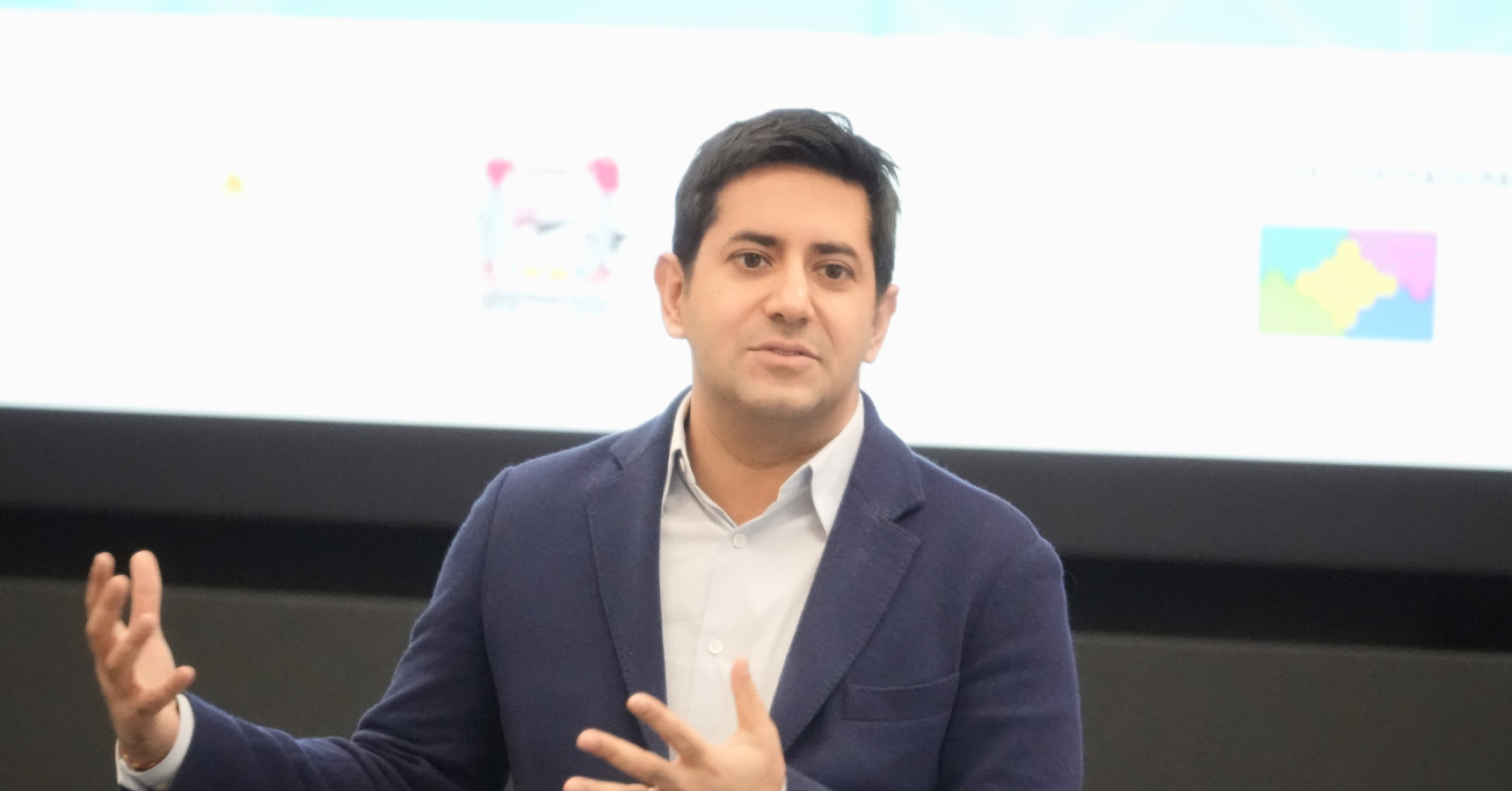
Chair of Montogomery County Commissioners Neil Makhija
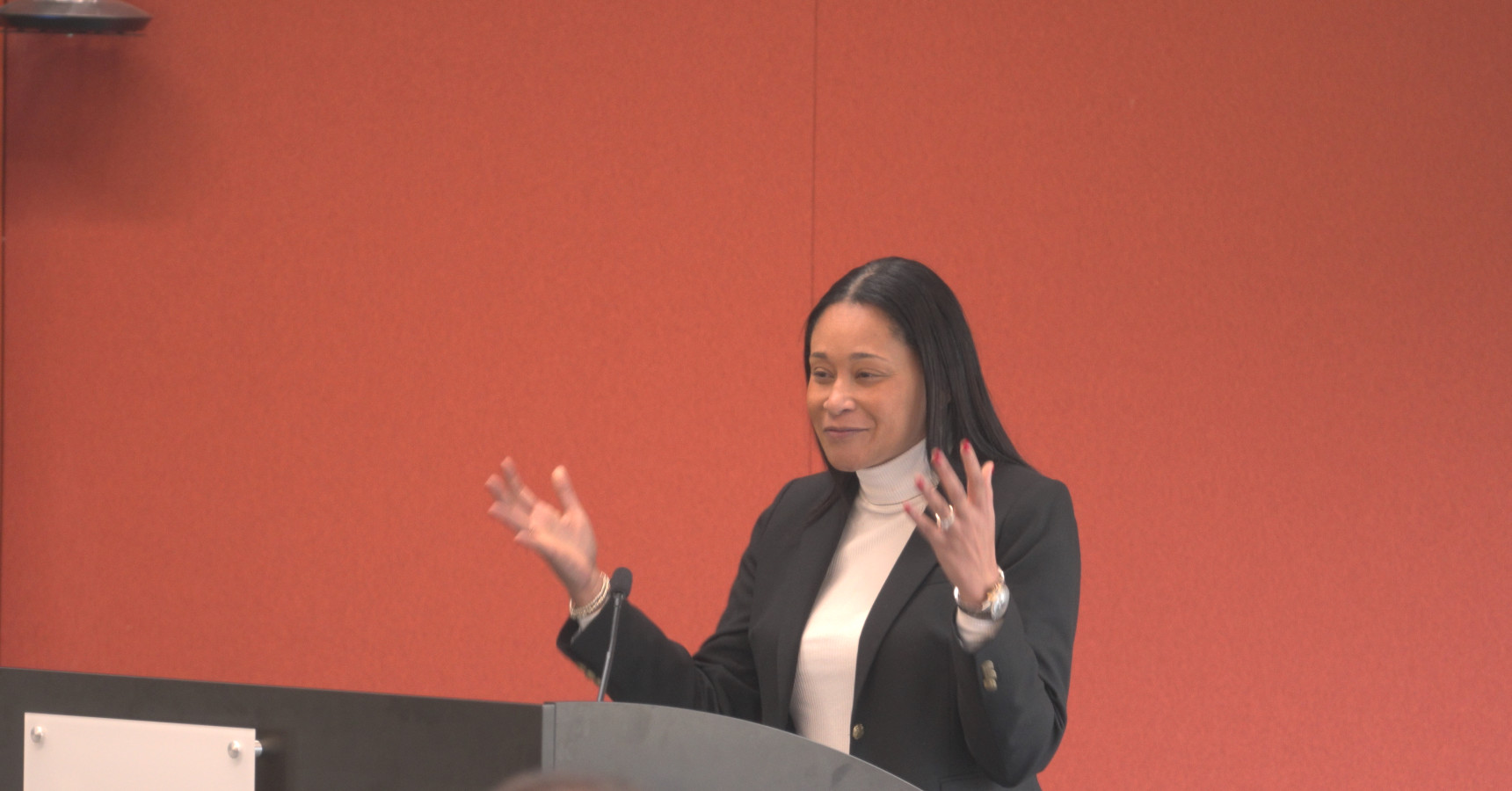
Jamila Winder, Vice Chair
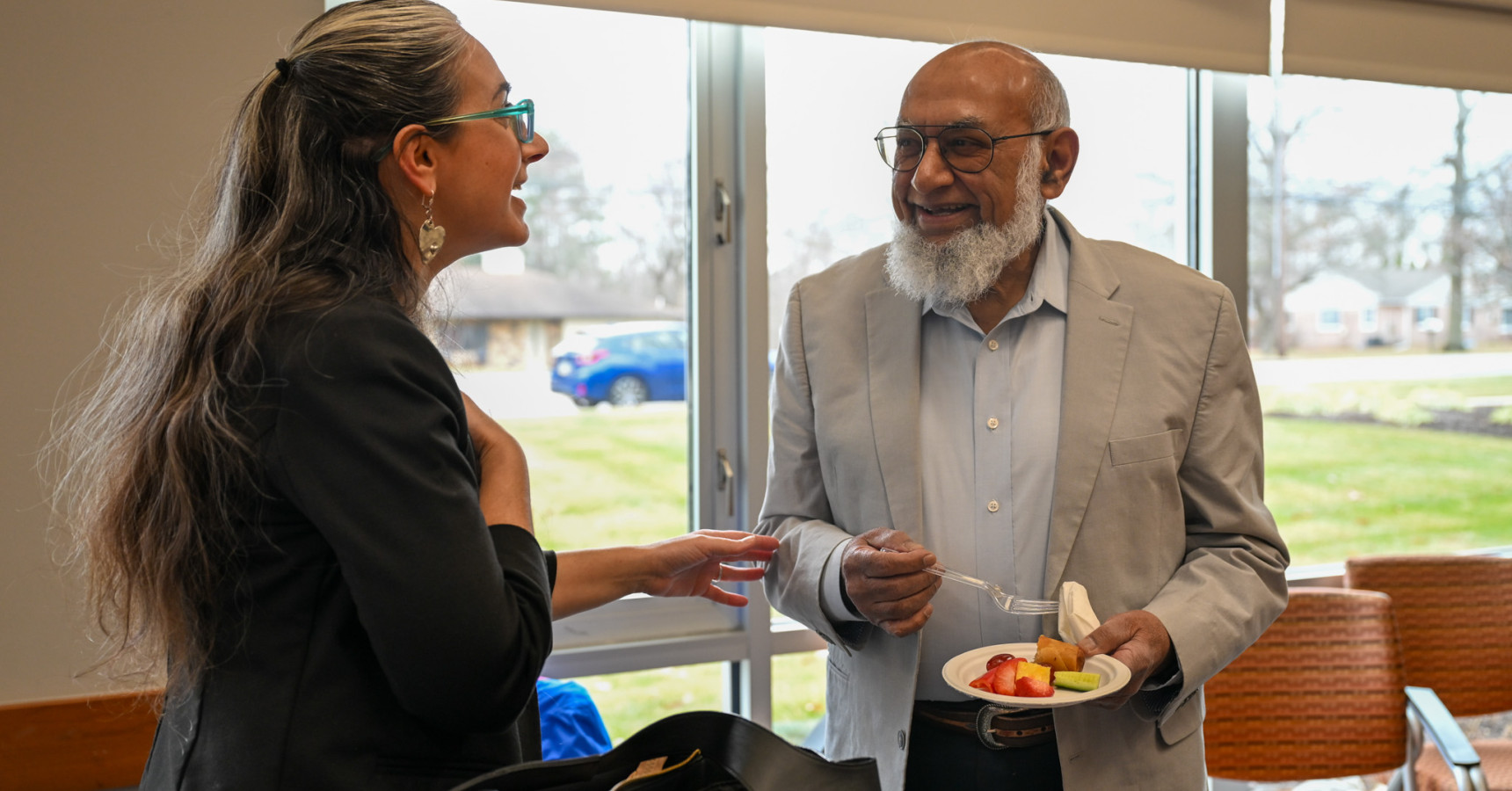
Syed Afzal, community leader and philanthropist, and Krystin DiDominick, Executive Director of Bucks-Mont Collaborative
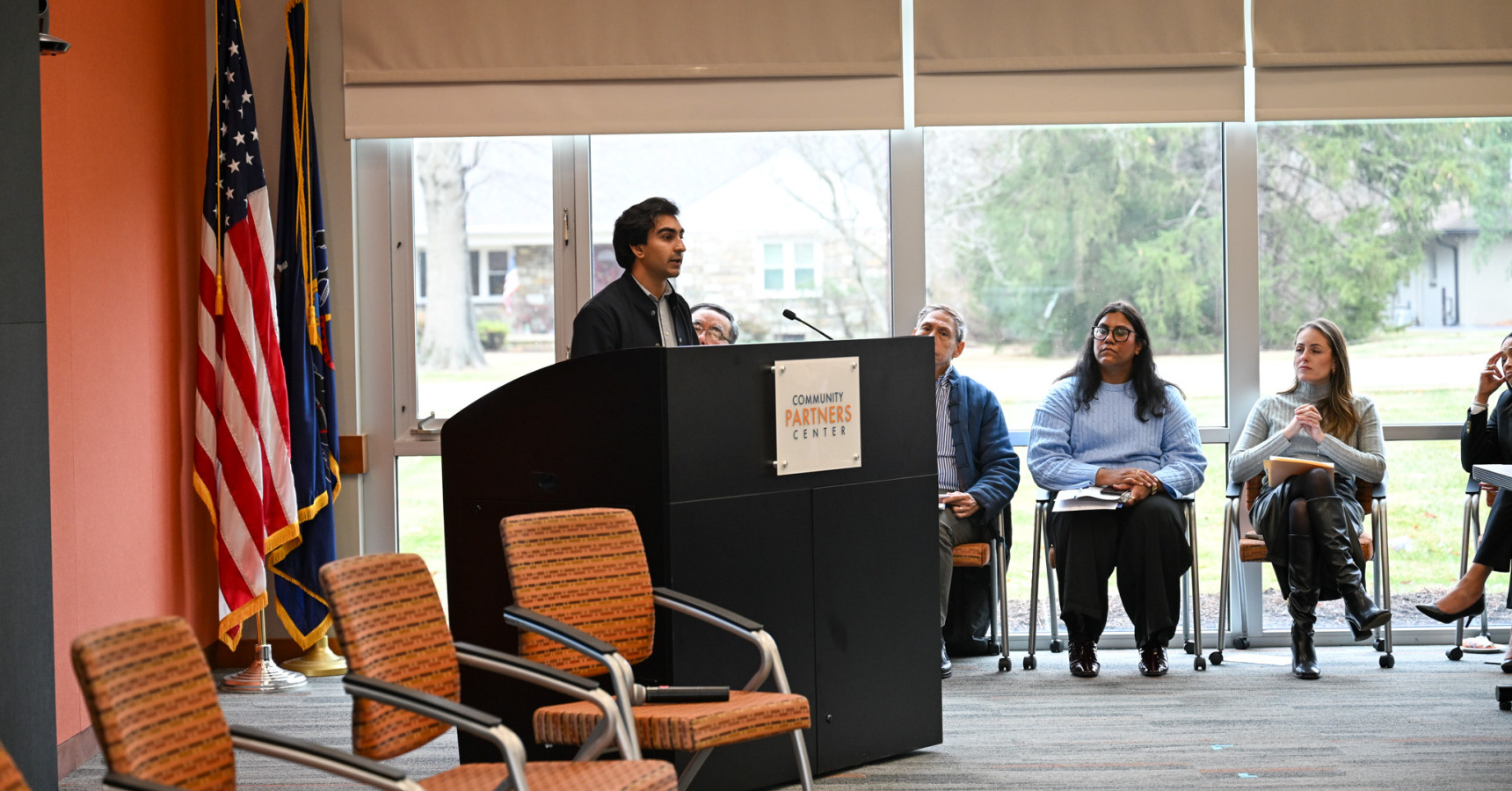
Jojo Dalwadi, Constituent Services Advisor for Rep. Malagari and ED of the PA Legislative Asian Pacific American Caucus
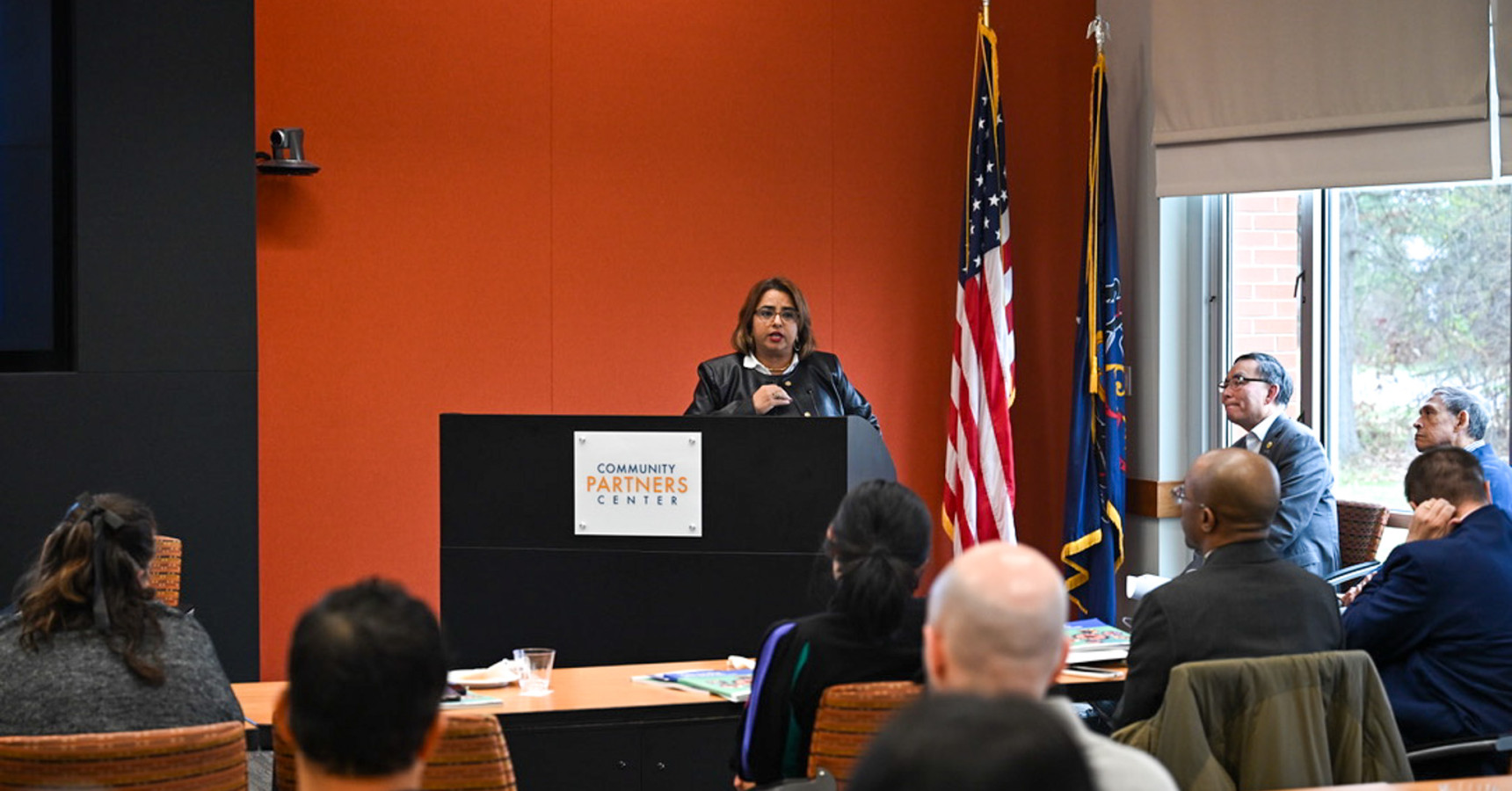
Nelly Jimenez-Arevalo, Montgomery County Director of Immigrant Affairs