Recap: The Business of Housing

Housing touches everything – our economy, our workforce, our families, and the long-term strength of our region. And as rising prices and increasing financialization continue to reshape the housing landscape, these pressures are felt intensely by communities every day.
That shared urgency is exactly what sparked The Business of Housing. When the Chester County Chamber of Business and Industry (CCCBI) approached HealthSpark Foundation about collaborating on a housing-focused event, it built on momentum we had already begun – starting with our Montgomery County focused convening in February of 2024, and our ongoing desire to keep the conversation moving. As we explored the idea together, it quickly became clear that both organizations recognized the same reality: housing challenges don’t stop at county borders.
To broaden the conversation and ensure engagement with key decision-makers in affordable housing, we also partnered with the Chester County Planning Commission, Montgomery County Planning Commission, Montgomery County Department of Commerce, and the Associations of Township Officials for Montgomery, Chester, and Bucks Counties.
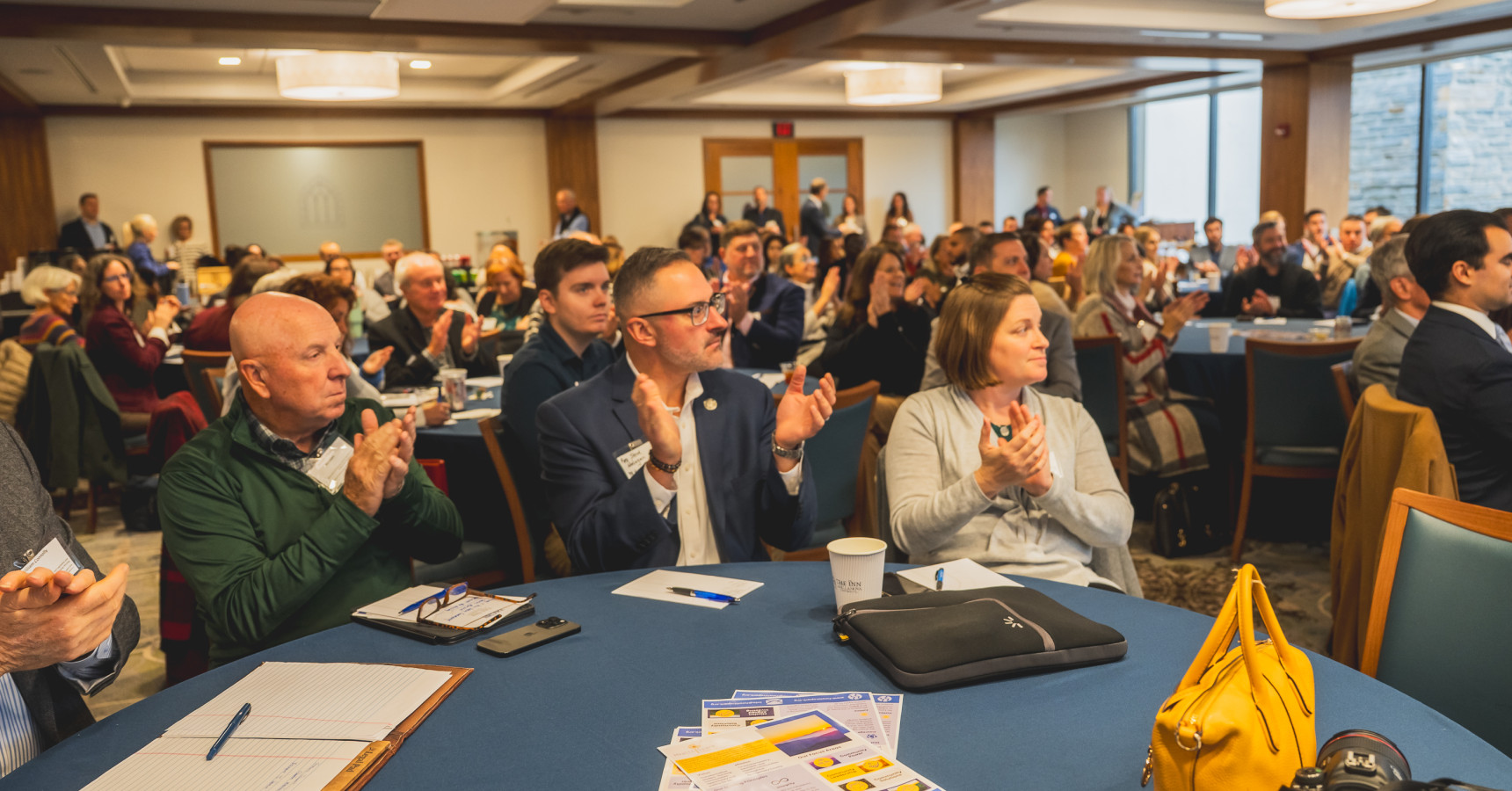
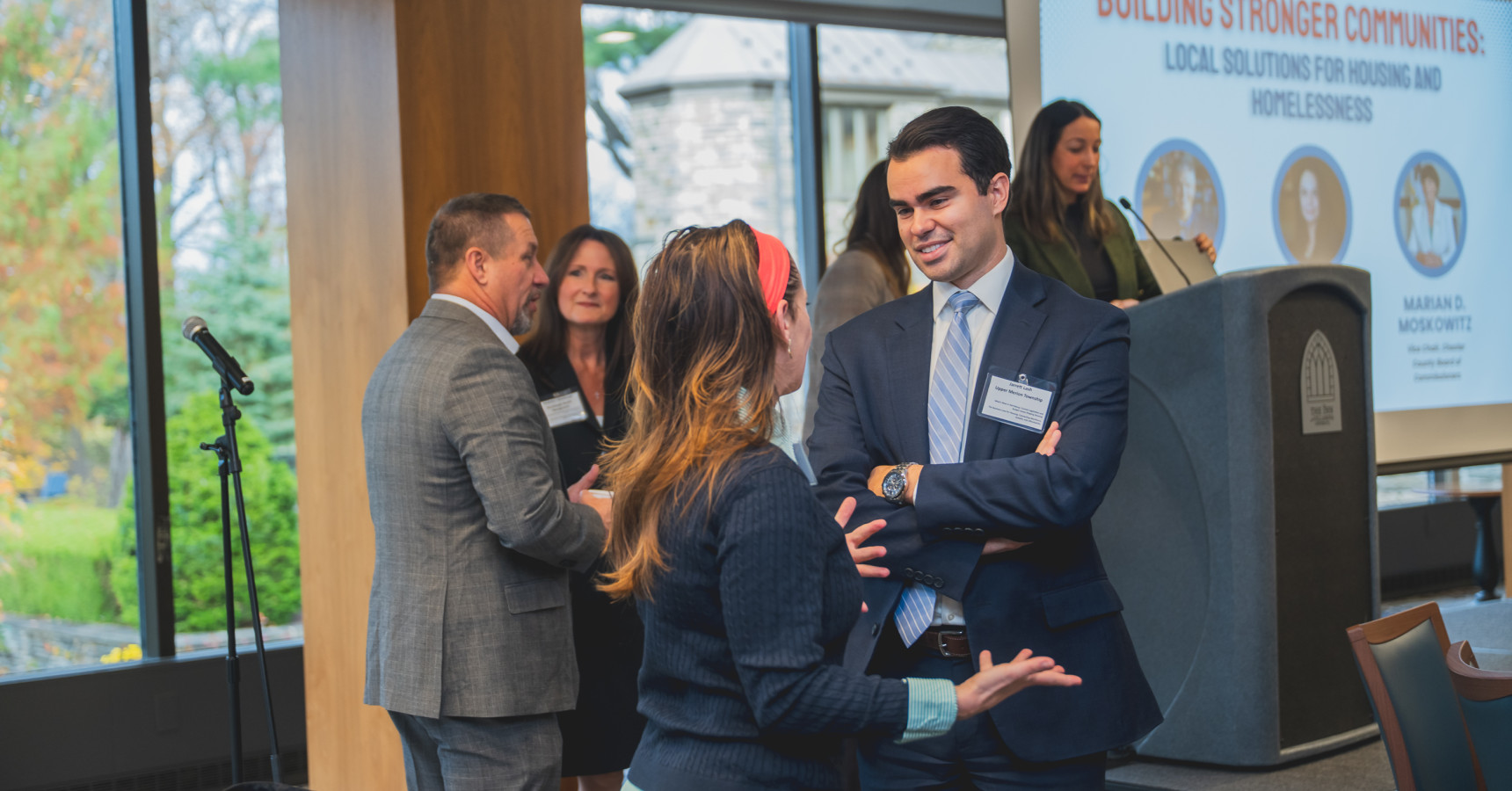
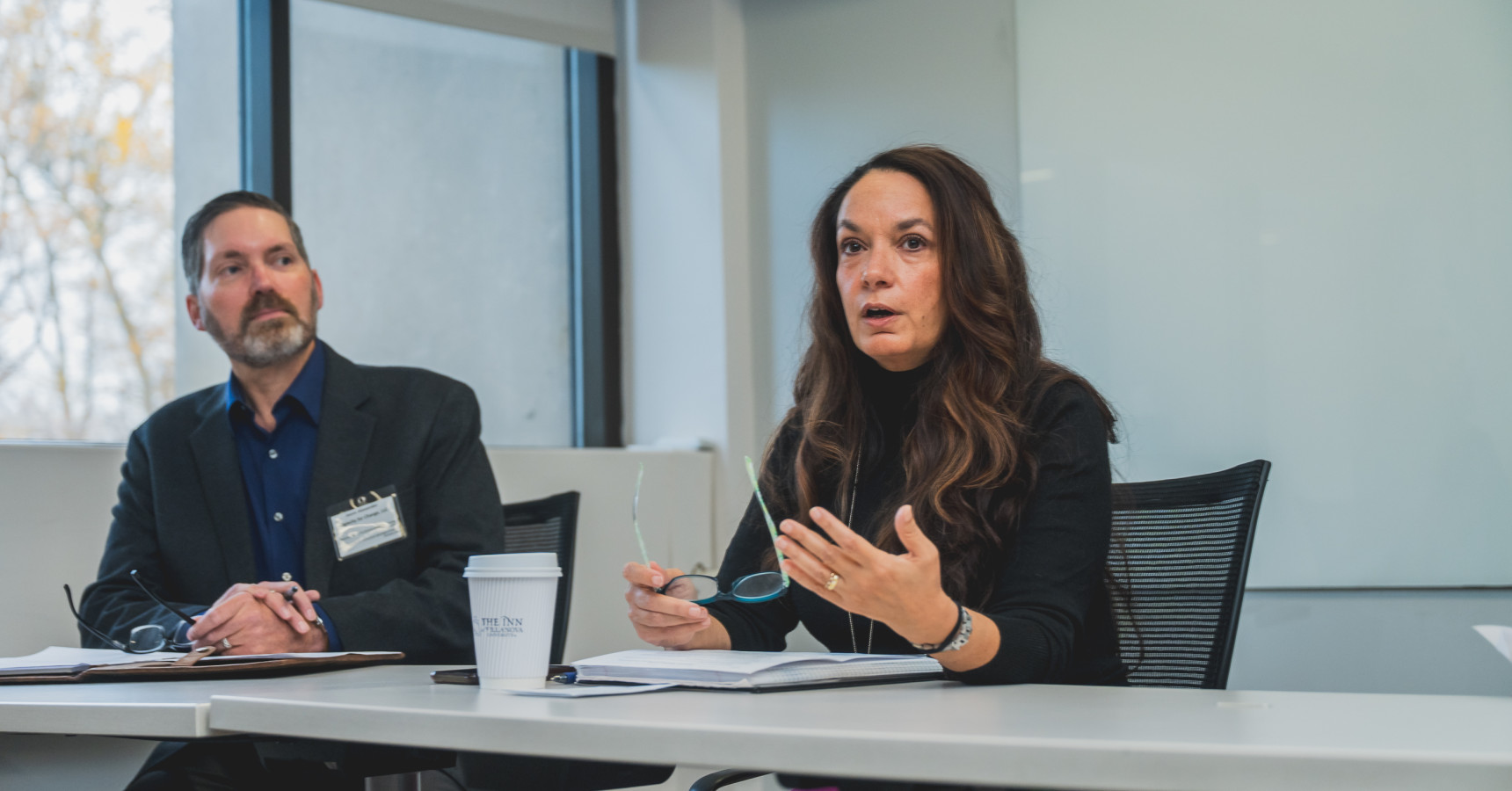
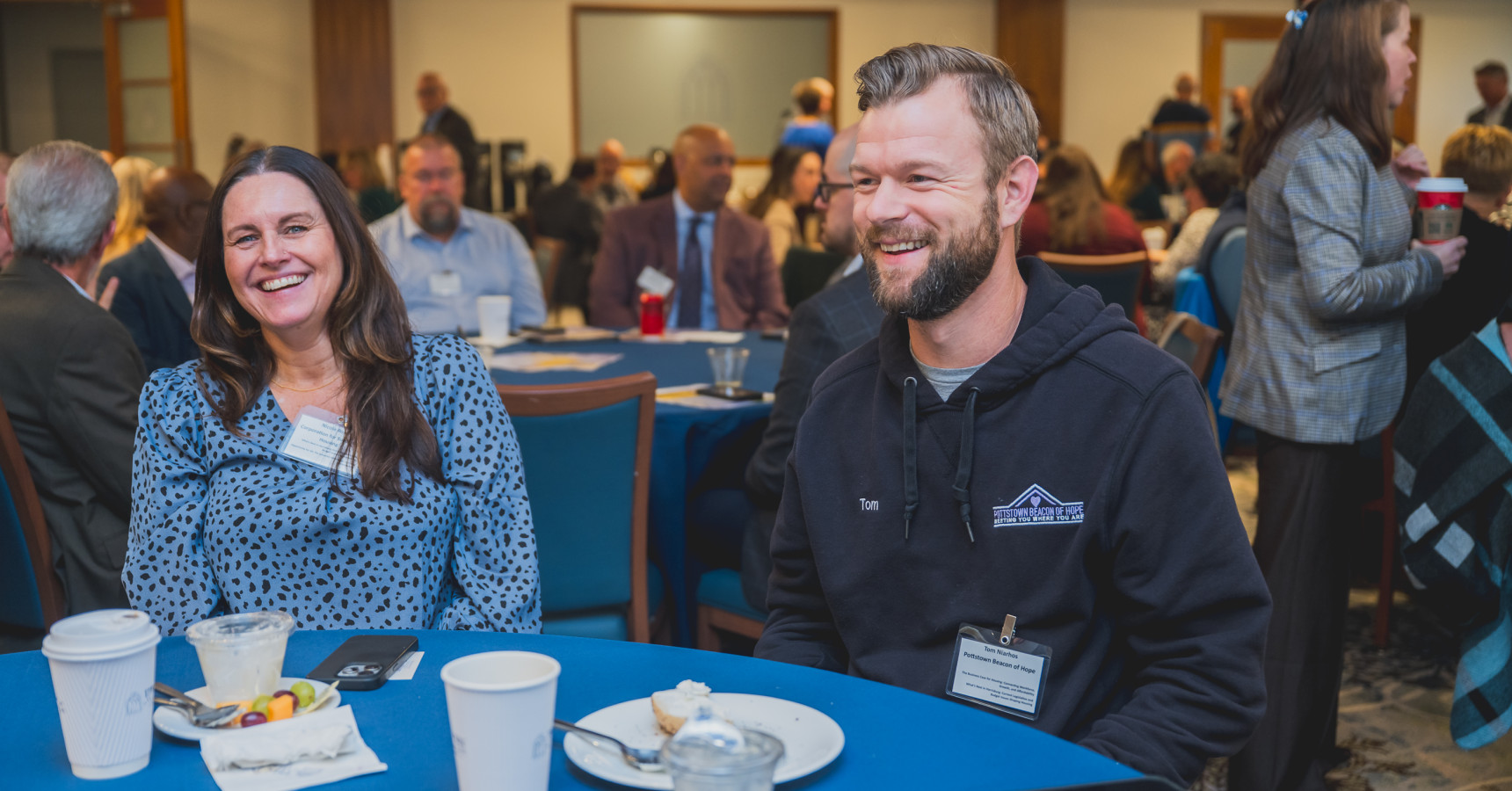
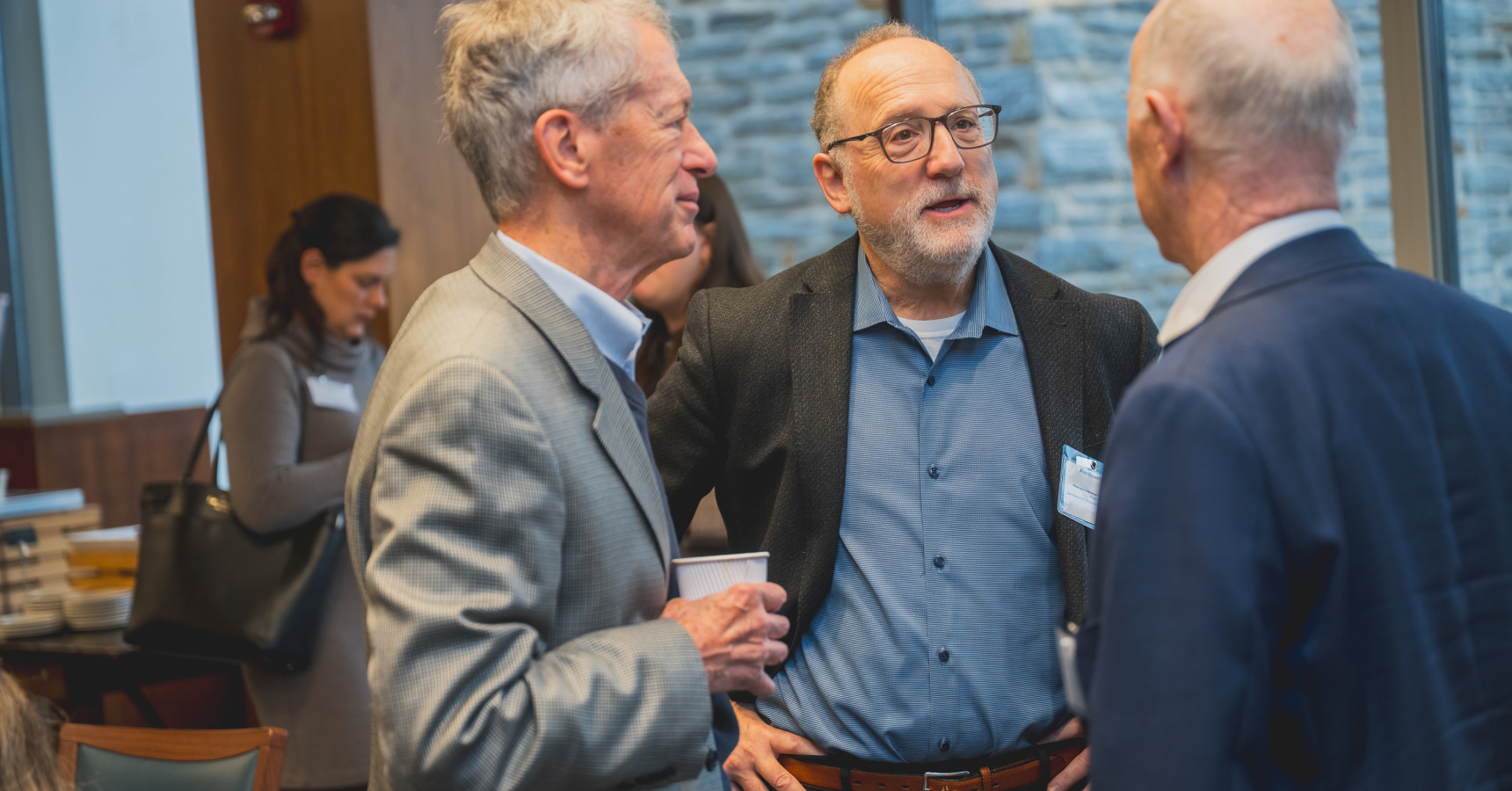
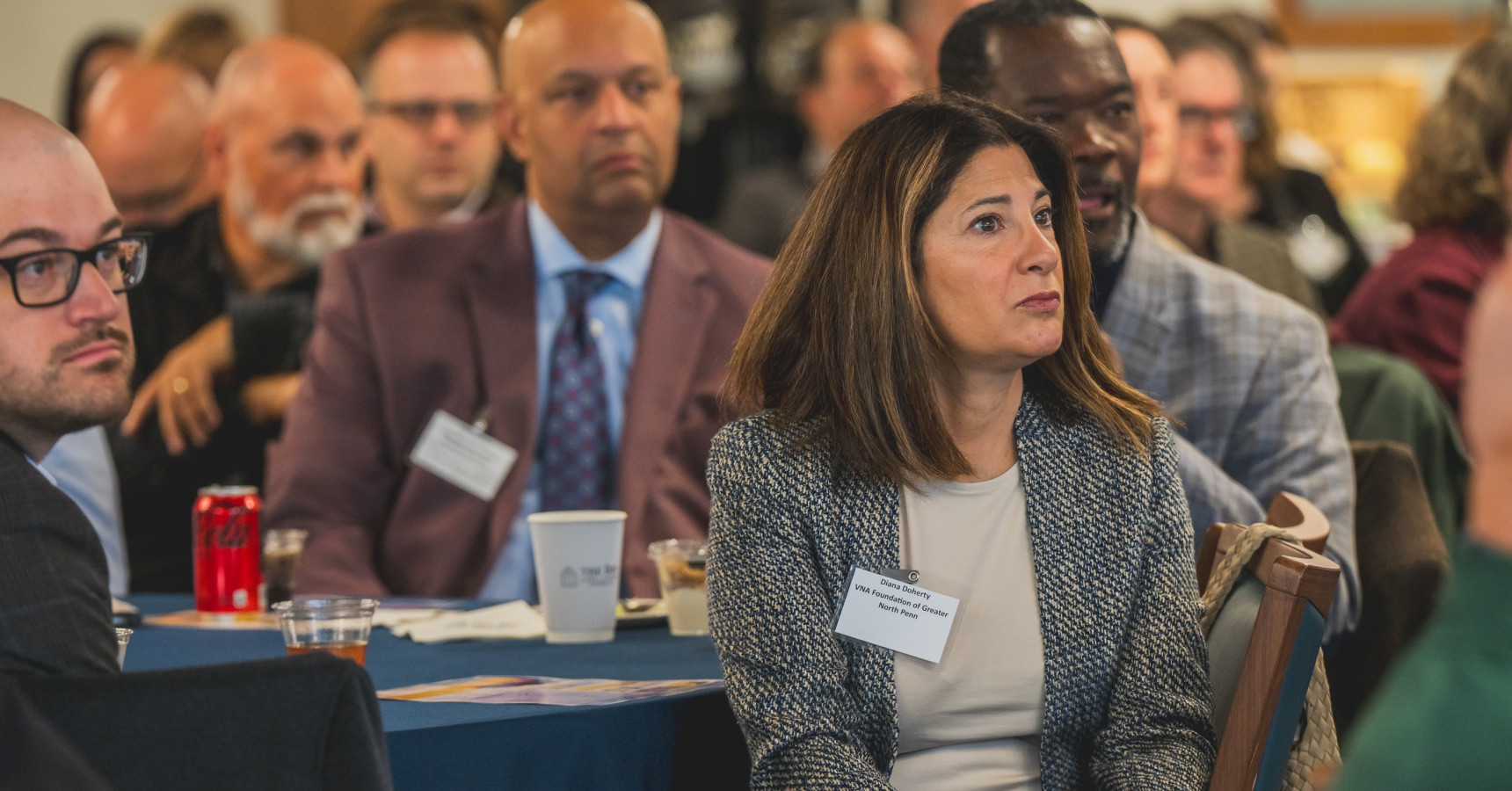
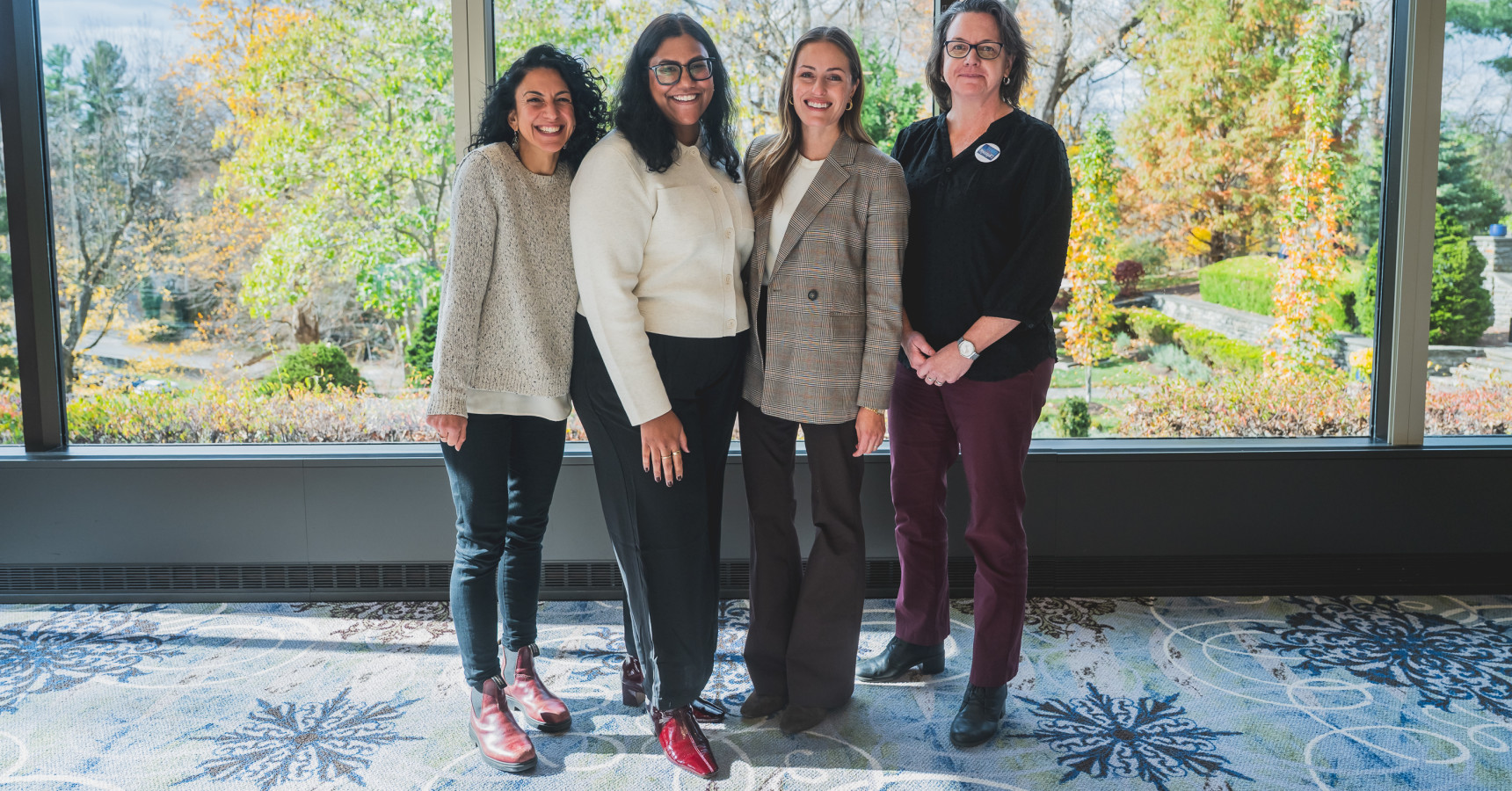
The Business of Housing Regional Summit took place on November 13, 2025, at The Inn at Villanova. More than 200 policymakers, business leaders, nonprofit partners, township officials, and philanthropic organizations gathered for a sold-out event. The event buzzed with energy as participants connected, shared stories, and rolled up their sleeves in breakout sessions to hear important perspectives and dialogues for a stronger and more equitable region.
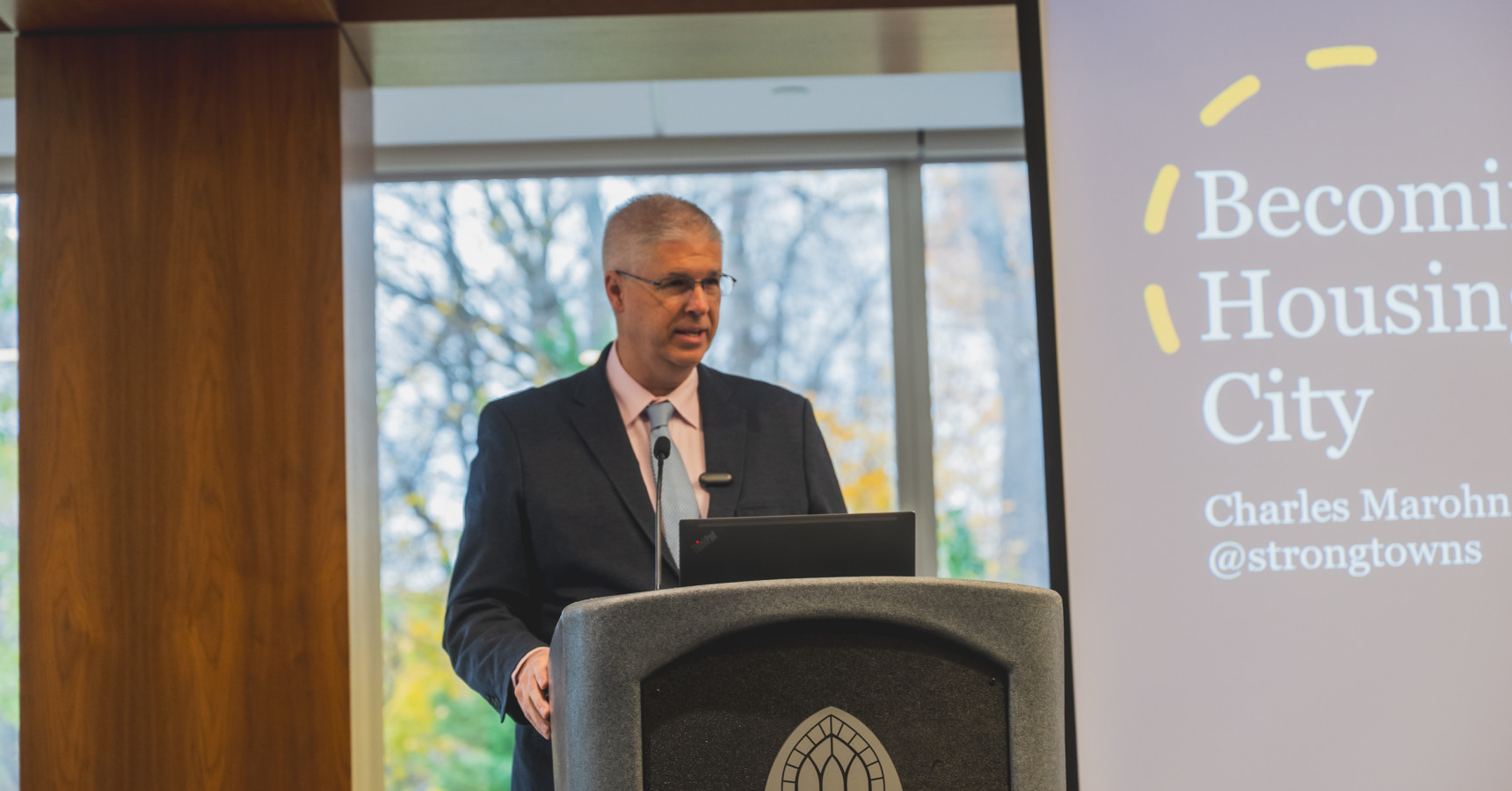
To help ground these conversations, the event featured two speakers. Our keynote speaker was Chuck Marohn, author and Founder and President of Strong Towns, an organization committed to replacing America’s post-war Suburban Experiment with development patterns that are financially strong and resilient. We were also joined by Ann Oliva, CEO of the National Alliance to End Homelessness (NAEH), which advances equitable and evidence-based strategies to prevent and end homelessness nationwide.
This event served as a powerful catalyst to widen the conversation, bring more voices to the table, and engage a broad regional audience in addressing one of the most pressing issues facing the Greater Philadelphia Region.
Read on to learn insights from the day’s sessions, including our mainstage and breakout sessions.
Welcome Remarks
We began the morning with welcome remarks from Laura Manion, President and CEO of CCCBI and, Emma Hertz, President and CEO of HealthSpark. Laura opened by sharing her personal experience of searching for an affordable home – touring more than 100 houses before finally finding the one this past fall – and emphasizing it shouldn’t be this difficult, especially for a growing family.
Emma then reflected on HealthSpark’s ongoing work to address housing challenges in Montgomery County and highlighted the recent launch of our Local impact Investing Initiative. Through this initiative, we are committing $2 million – 5% of our endowment – by the end of 2027 to mission-aligned nonprofit and for-profit ventures that help build healthy, equitable, and hopeful communities throughout the county. A key component of this commitment is the creation of the Montco Housing Loan Fund, a new effort designed to expand access to attainable housing and increase public, private, and philanthropic investment into Montgomery County’s affordable housing stock.
Keynote Presentation
During his keynote presentation “Escaping the Housing Trap,” Chuck Marohn encouraged participants to look beyond the familiar symptoms of the housing crisis – soaring rents, vacant properties, and unstable markets – and recognize the deeper structural dysfunctions driving these patterns. Chuck explained how nearly a century of well-intended but top-down federal policies had transformed local development into a system that was rigid, fragile, and prone to repeated cycles of boom and bust. Chuck also emphasized that building a healthier, more resilient housing ecosystem required moving away from large-scale, centralized development models and returning to more incremental, community-driven approaches that lowered barriers to participation and allowed neighborhoods to evolve gradually over time.
Key Takeaways from the Keynote:
- How federal policy shaped today’s dysfunction: Attendees learned how federal housing policies from the 1930s had created incentives that continued to distort local markets.
- Ripple effects of the 2008 crash: Chuck described how the impacts of the 2008 housing market crash were still influencing development patterns and community stability.
- Why housing markets were unstable: He outlined the structural reasons modern housing markets remained prone to boom-and-bust cycles.
- Loss of incremental development: Chuck illustrated how cities once grew through small, steady additions to housing -- and why that incremental pattern had largely disappeared.
- Emerging solutions: Chuck highlighted examples of communities that had begun adopting reforms to reintroduce incremental development and break out of the “trickle or fire hose” dynamic, including South Bend, Indiana, where local leaders and groups partnered to host regular meetups, workshops, and peer networks so community members could compare notes, share contractors, and ask questions on how to get started.
💡 Philanthropy Insight: Check out this example in Oswego, New York, where a nonprofit provided small matching grants (up to $1,000 per home) and other resources to blocks of individuals who want to improve the look of their street. The interesting catch? Individuals had to sign up together for maximum impact.
To wrap up, Chuck left attendees with actionable resources, highlighting Strong Towns’ toolkits, including Six Policies That Will Make Your Town Housing Ready.
Fireside Chat
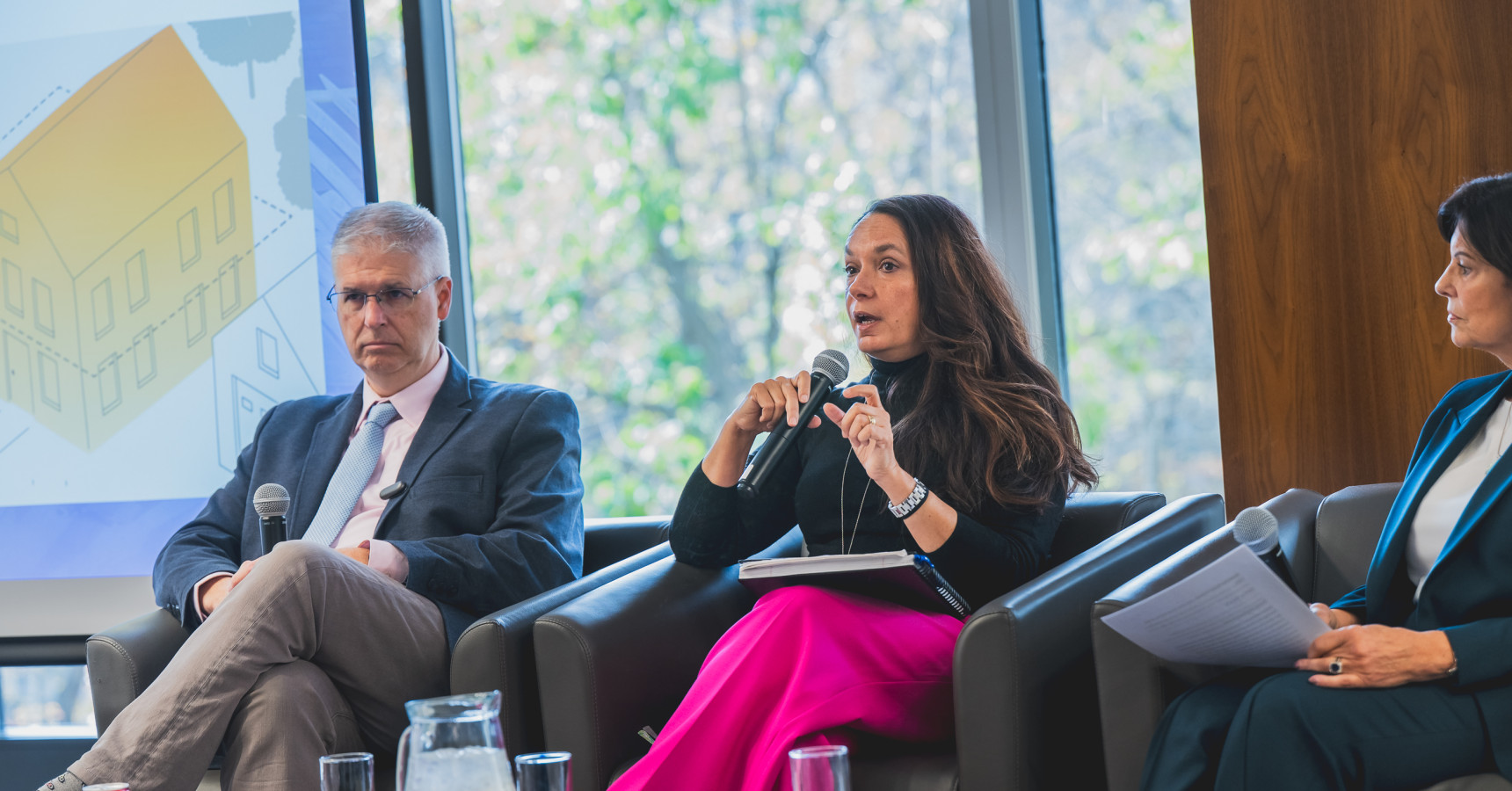
During the lunchtime fireside chat, Chuck and Ann joined Chester County Commissioner Marian D. Moskowitz for a dynamic conversation on how communities could more effectively address housing and homelessness challenges. The panel explored the power of strategic partnerships, innovative local planning, and the political will required to act decisively. Speakers emphasized the Strong Towns vision that lasting prosperity stems from people and local governments working together to make small, practical investments that build resilient, financially strong communities over time. Drawing from both local planning principles and national homelessness policy, the discussion encouraged participants to rethink how they plan, collaborate, and take action to create communities where everyone has the opportunity to thrive.
Breakout Sessions
Here’s what attendees walked away from each of the breakout sessions.
From Policy to Practice: How Township Managers Are Shaping Housing Solutions
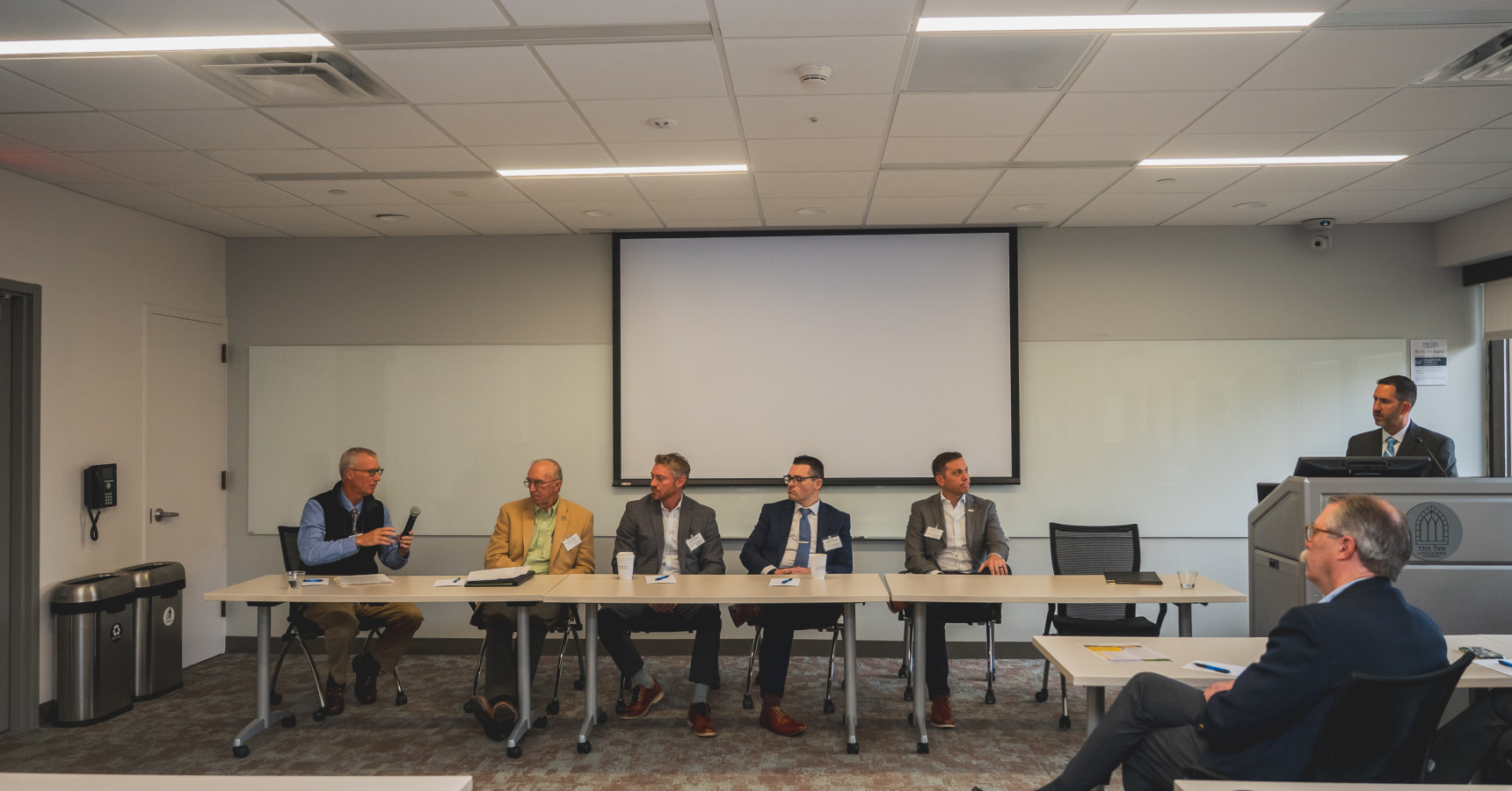
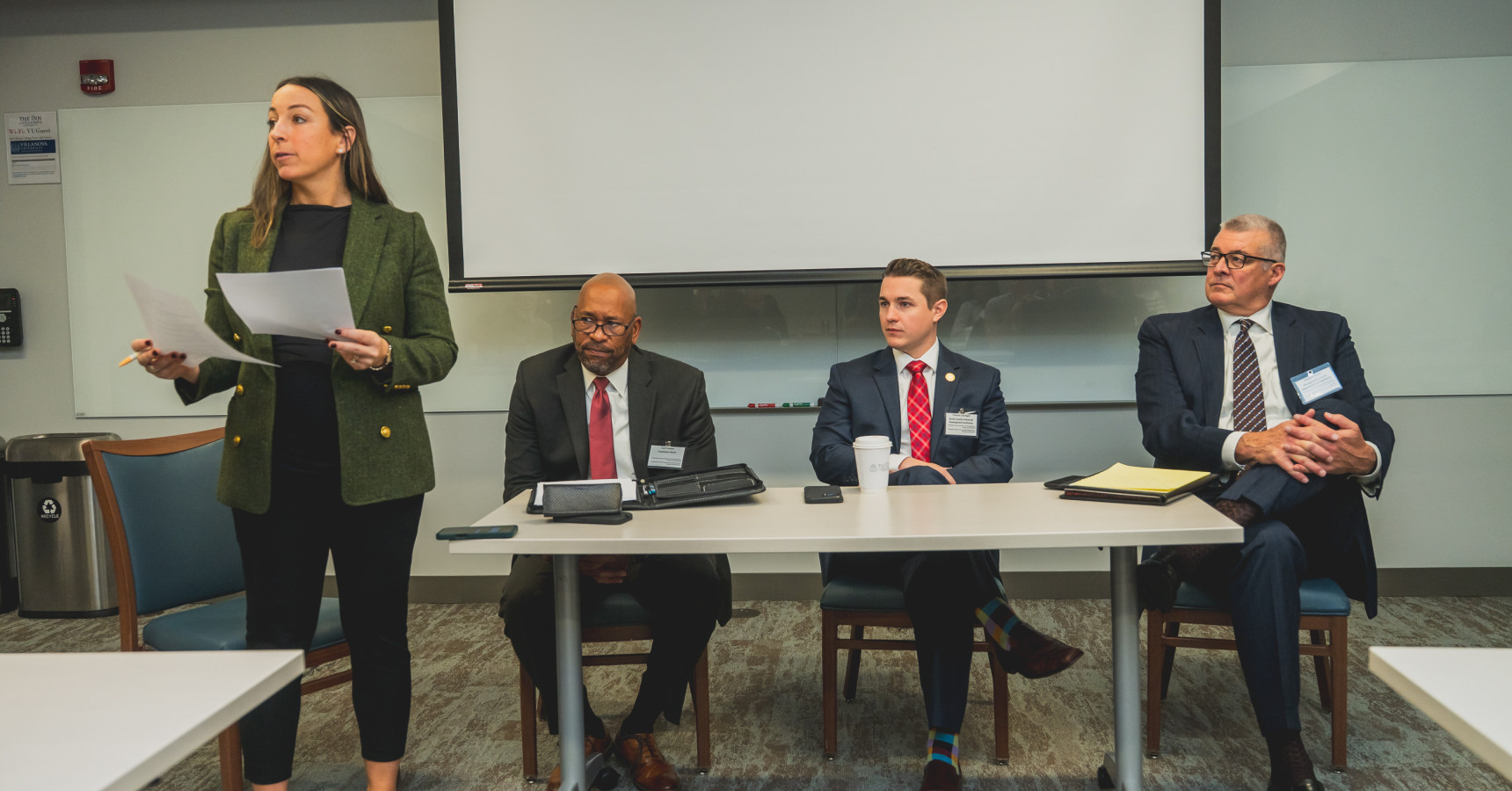
Featuring Steven Brown, East Whiteland Township Manager; Chris Himes, New Garden Township Manager; Nick Valla, Middletown Township Assistant Manager; Scott Hutt, Hatfield Township Assistant Manager/ MCATO; Dave Nyman, Bucks County Association of Township Officials; and moderated by Matt Edmonds, Chester County Planning Commission
- Bridging public perception and practical implementation: Attendees learned how township leaders are addressing common myths and misconceptions about housing affordability, building public awareness, and tailoring approaches to the unique dynamics of their communities.
- Real-world policy tools making a difference: Panelists shared actionable municipal strategies, such as East Whiteland Township’s Workforce Housing ordinance and Middletown Township’s affordability measures within its Professional District, as examples of how policies can be effectively translated into on-the-ground solutions, supported by strong collaboration with county planning commissions and cross-government partners.
- Pathways for collective impact: The discussion highlighted the crucial roles of residents, advocates, and nonprofits in shaping local planning and policy, and offered concrete steps communities can take now to advance attainable housing while proactively addressing resistance and building lasting support.
The Business Case for Housing: Connecting Workforce, Growth, and Affordability
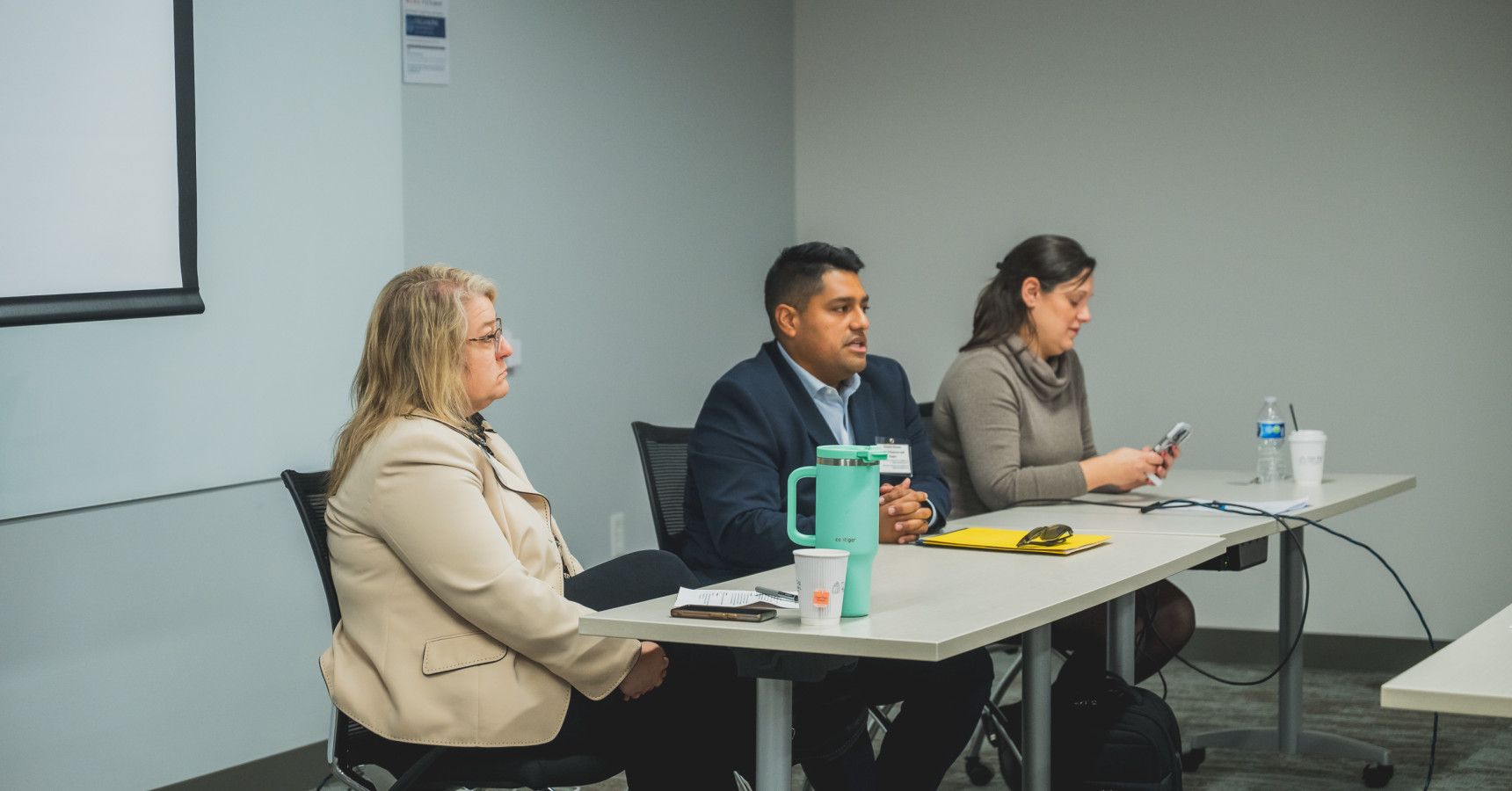
Featuring Steve Forster, Montgomery County Department of Commerce Director; TJ Lonergan, Bucks County Industrial Development Authority Executive Director; Curt Easton, Customers Bank; and moderated by Laura Manion, Chester County Chamber of Business and Industry
- How the housing affordability gap is reshaping workforce and economic competitiveness: Attendees heard a data-driven picture of the region’s widening mismatch between wages and housing costs, including the income levels needed to purchase a median-priced home, and learned how this gap increasingly affects not only entry-level workers but also teachers, first responders, nurses, and mid-level professionals. Panelists underscored how housing availability is becoming core economic infrastructure, influencing business decisions, talent recruitment, and county-level economic development strategies.
- The emerging role of employers and cross-sector solutions: The session highlighted how businesses are beginning to adapt—through housing stipends, remote work flexibility, and interest in employer-assisted housing models—and how housing, transit, and job access must be planned together. Panelists shared examples of public-private partnerships that have helped move housing projects forward, including zoning updates, transportation coordination, use of surplus land, creative financing tools like Tax Increment Financing (TIF), and lender-driven reinvestment strategies to support workforce housing.
- Actionable steps that chambers, employers, and municipalities can take right now: Attendees left with concrete ideas for advancing attainable housing, such as engaging in coordinated advocacy, supporting shared financing or loan pools, partnering with local governments to streamline development processes, or leveraging business networks to champion housing as an economic priority.
What’s Next in Harrisburg: Current Legislative and Budget Issues Shaping Housing
Featuring Orlando Almonte, Deputy Secretary of Policy and Planning, Office of Governor Josh Shapiro; Senator Amanda M. Cappelletti (D-17, Montgomery/Delaware Counties); and moderated by Phyllis Chamberlain, Executive Director of Housing Alliance of Pennsylvania
- Timely updates on state housing legislation and tenant protections: Attendees gained a clearer understanding of current proposals in the legislature, including efforts to strengthen renter and tenant rights and legislation that would allow people with disabilities to break leases when their housing no longer meets their needs. The session highlighted where these ideas originated, what progress looks like, and the potential impact – alongside insights into how past initiatives, such as home repair programs, have supported aging in place.
- Insight into the Governor’s Housing Action Plan and state budget dynamics: Panelists shared what they have been hearing in statewide community roundtable and how those perspectives are shaping the Governor’s forthcoming Housing Acton Plan. Attendees learned about the current status of both state and federal budgets, the key sticking points shaping negotiations, themes emerging from zoning challenges across communities, and what improvements are needed to prevent future budget stalemates.
- Practical guidance for effective state-level advocacy: Panelists offered clear, actionable steps for engaging with legislators, shaping policy discussions, and elevating community needs in Harrisburg.
Opportunity for All: The Economic Advantages of Ending Homelessness
Featuring Ann Oliva, CEO of the National Alliance to End Homelessness; Lieutenant Rodger Ollis, City of Coatesville Police Department; Erin Lukoss, Executive Director of the Bucks County Opportunity Council; Philip Welsh, Director, Delaware County Office of Housing and Community Development; and moderated by Jason Alexander, Capacity for Change, LLC.
- A clearer understanding of the true costs of homelessness and effective national strategies: Attendees learned how homelessness, largely driven by high housing costs, creates significant financial strain on local economies through reduced consumer spending and increased municipal expenses. They also heard examples of evidence-based approaches communities across the country are using to meet the needs of unhoused residents.
- How local systems can respond collaboratively and effectively: Panelists highlighted practical strategies being used in Southeastern Pennsylvania, including law enforcement and business community partnerships in Coatesville, public-awareness efforts linking homelessness to economic and community development in Bucks County, and the key federal, state, and local funding streams available to municipalities seeking to address homelessness.
- Tools for building cross-sector coalitions and preparing for policy changes: The session offered insight into how municipalities, businesses, faith organizations, and nonprofits can work together to prevent and end homelessness—along with guidance for adapting to potential shifts in federal policy and for better supporting unhoused residents through coordinated, community-wide action.
In Closing
We were thrilled to co-host this event with the Chester County Chamber of Business and Industry and are deeply grateful to everyone who attended, participated, and contributed to the conversations. Your engagement, curiosity, and commitment to building healthy, equitable, and hopeful communities made the day a true success. Thank you to our speakers, panelists, elected officials PA Senator Amanda Cappeletti and PA Representative Malagari, and all attendees for bringing your energy, ideas, and perspectives. A few of our favorite highlights from our post-event survey:
- “For me the best part was so many people interested in the topic and hearing the same language, so future conversations have a common starting point.”
- “I will be using Chuck's [Strong Towns’] toolkits. He gave a framework for community level engagement that resonated with a lot of the work I'm involved in. Strategies to engage with both municipal leadership and local incremental developers as well as local financing were helpful. The messaging around aligning the local community around options for housing attainability, cost effective housing solutions within a common sense, humanizing framework was also very powerful.”
- “This summit allowed me to network with partners from communities that I have not previously had strong ties with like Coatesville. I have already followed up and look forward to new collaborations.”
The learning and conversations are not done. Stay tuned from HealthSpark on further engagement we hope to conduct in 2026 on affordable housing and housing justice for all.
Photo Gallery: The Business of Housing